
Enhance Your Physiotherapy Progress with Daily Lifestyle Habits

Enhance Your Physiotherapy Progress with Daily Lifestyle Habits

daily habits for physiotherapy progress

Physiotherapy doesn’t begin and end in the clinic. The way you move, rest, eat, and think every day adds up—and those habits either support your recovery or slow it down. When you’re working to heal pain, regain strength, or return to your sport or job, small consistent choices at home matter.

This guide is designed to help you put physiotherapy daily habits into action. Whether you’re managing an injury or building mobility, these simple adjustments offer structure and support so your body has the best chance to heal well. At Maximum by Body ‘n Balance, we’re here to guide you through that process—not by guesswork, but with a plan you understand and trust.

The Power of Routine in Physiotherapy Recovery

Recovery thrives on consistency. When your body receives regular signaling through movement, rest, and rehab, it responds more efficiently. One of the most helpful things you can do is create a predictable daily rhythm that reinforces what we do during your physiotherapy sessions.

Tips to Build a Recovery-Friendly Routine

  1. Stick to your exercise plan. Set aside time daily—ideally the same time each day—to complete your home program. Treat it like a non-negotiable appointment with yourself.
  2. Move regularly. Break up long periods of sitting with a few minutes of light movement or position changes every 30 to 60 minutes.
  3. Prioritize rest and sleep. Your recovery relies on downtime just as much as activity. Set a consistent bedtime and wake time to support healing rhythms.
  4. Track your progress. Use a journal or app to record how your body feels during and after exercise, which helps you and your physiotherapist identify patterns and adjust your plan.

Even basic habits can reinforce healing when practiced steadily. Structure supports change.

Nutrition: Fueling Your Physiotherapy Goals

Your body repairs tissue using nutrients from the food you eat. If you’re rehabbing an injury or restoring mobility, nutrition is not an afterthought—it’s part of your treatment.

Focus on Whole-Body Recovery Foods

  1. Protein helps rebuild tissue. Include sources like eggs, lean meats, legumes, dairy, or tofu with every meal.
  2. Omega-3 fats from sources such as salmon, walnuts, or flaxseed may support reduced inflammation.
  3. Antioxidant-rich foods like berries, leafy greens, and colorful veggies assist cellular repair.
  4. Stay hydrated. While not a nutrient, water supports joint lubrication and tissue healing.

Nutritional support during rehab has been shown to affect strength, inflammation, and tissue repair timelines. According to a National Institutes of Health publication, adequate dietary intake directly affects musculoskeletal recovery in injured patients.

Essential Exercises to Complement Physiotherapy Sessions

Daily exercises for physiotherapy patients are meant to reinforce movement patterns, maintain gains between sessions, and improve confidence over time. These exercises should reflect your current capabilities and follow the plan outlined by your physiotherapist.

Include the Following Categories as Advised

Exercise Type 

Purpose

Example

Mobility

Restore range of motion

Joint circles, cat/cow stretch

Stability

Build control over movement

Glute bridges, bird dogs

Strength

Support posture, prevent re-injury

Wall squats, resistance band rows

Neuromuscular coordination

Enhance balance and muscle firing

Single-leg stands, agility drills

To learn more about safe movement progressions and specific suggestions, explore our guide to physiotherapy exercises that support long-term recovery.

Sleep and Recovery: Maximizing the Benefits

Your body does most of its active healing during sleep. Tissue repair, hormone regulation, and neurological resetting all rely on quality rest.

According to NIH research, poor sleep can increase perception of pain, delay muscular recovery, and lower motivation to perform movement tasks—key elements in physiotherapy outcomes.

Strategies for Better Sleep

  1. Go to bed and wake up at the same time—even on weekends.
  2. Keep screens and bright lights out of the bedroom an hour before sleeping.
  3. Break the cycle of nighttime overthinking with calming habits like reading or breathing techniques.
  4. Talk to your physiotherapist if pain interferes with sleep positioning.

Mindfulness and Mental Health in Physiotherapy Progress

Recovery from injury or chronic pain isn’t only physical. Uncertainty, frustration, or low mood can slow progress if left unaddressed. Integrating mindfulness into your routine helps reduce stress, improve body awareness, and strengthen your ability to stick with rehab even when progress feels slow.

Try These Techniques to Support Mindful Recovery

  1. Body scanning: Check in with muscle tension and breathing before and after exercises.
  2. Breath-focused pauses: Take one or two quiet minutes of intentional breathing before bed or after activity.
  3. Reflective journaling: Record one physical improvement or insight each day to stay connected to your healing.

If emotional stress or anxiety is impacting your recovery approach, let your physiotherapist know. Mind and body work better in alignment.

Staying Active: Balancing Movement and Rest

Movement is medicine—but so is moderation. Many patients worry they’re either doing too much or not enough. Both ends of the spectrum can slow progress.

Know When to Push and When to Pause

  1. Respect pain signals. Achy fatigue or soreness during new activity is normal. Sharp or worsening pain is not.
  2. Follow your physiotherapist’s cues. Your treatment includes graduated exposure to movement, so you can progressively load tissues without overstraining them.
  3. Create frictionless activity. Set up your home environment to encourage movement throughout the day. Keep stretch tools nearby or walk during phone calls.

The CDC’s guidelines on staying active during recovery emphasize the importance of consistent low-impact movement to build strength, manage symptoms, and prevent future injury.

Need Help Making These Habits Stick?

You don’t have to figure this out on your own. At Maximum by Body ‘n Balance, our approach is personalized, clear, and results-driven. We don’t guess. We assess thoroughly, treat the root cause, and help you understand your own body—so you’re not only recovering, but learning how to stay injury-free for the long term.

If you’re feeling unsure about how to structure your day or whether your habits are helping or hindering progress, talk to us. Together, we’ll create a routine that fits your life and moves you forward with confidence.

FAQs

Can I do physiotherapy exercises every day?

Often, yes. Most home programs are designed for daily or near-daily practice. That said, your specific plan depends on the type of injury, stage of healing, and response to activity. Always follow the guidance from your physiotherapist and adjust based on how your body feels.

How do I know if I’m overexerting myself during recovery?

Look for signs like pain that lingers more than 24–48 hours, swelling, reduced range of motion, or sharp discomfort during specific movements. If in doubt, pause the activity and consult your physiotherapist. Symptoms are part of the information we use to guide your progression safely.

How can I maintain motivation throughout my physiotherapy journey?

Set small goals, track your improvements, and review them weekly. Acknowledge even minor wins—like walking without limping or climbing stairs more easily. For more guidance on staying engaged, see our approach to supporting your recovery with patient education.

Empowering Physiotherapy Patients: Education for Long-Term Recovery and Injury Prevention

Empowering Physiotherapy Patients: Education for Long-Term Recovery and Injury Prevention

the role of education in physiotherapy

Introduction: Why Education Matters in Your Recovery

Physiotherapy is more than hands-on treatment. It’s a process of learning—about your body, your injury, and what you can do to heal well and stay healthy long after your sessions end. At its best, physiotherapy equips you with the knowledge and confidence to move forward with clarity. In this article, we’ll break down how physiotherapy education supports long-term recovery, strengthens self-management skills, and protects against future injuries—especially when that education is clear, personalized, and delivered with purpose.

The Importance of Patient Education in Physiotherapy

Physiotherapy education refers to the practical, evidence-based information your physiotherapist shares with you during care. This can include explanations of your diagnosis, how different treatments help, why each home exercise is prescribed, and what signs to watch for as you recover. Beyond the physical, education makes a difference to how you feel during recovery. Knowing what’s happening in your body shifts you out of worry and into action. According to the National Institutes of Health, informed patients feel more in control, have reduced anxiety, and report better therapy outcomes. Education improves understanding, but it also builds trust and motivation. In practice, this means your physiotherapist isn’t just treating your current pain—our goal is to help you understand where it comes from and what to do about it, long after you leave the clinic.

Key Topics Covered During Physiotherapy Sessions

Education doesn’t come in a single conversation. It’s ongoing and varies depending on your individual goals, condition, and lifestyle. During your sessions, you can expect guidance in areas such as:

  1. Pain science and management: Learn how pain works and why understanding it matters in making progress.
  2. Exercise technique: Master correct form so movements are safe and effective, building strength without setback.
  3. Posture and body mechanics: Understand how alignment affects load, balance, and efficiency in daily life.
  4. Lifestyle strategies: Get recommendations on sleep, stress, and activity based on your goals to better support healing.
  5. The body’s healing timeline: Set realistic expectations for recovery stages so you stay ahead of frustration.

Education transforms passive treatment into active rehabilitation. You’re not guessing what movements are safe or how often to exercise—you’re guided every step with intention.

Personalized Education: Paving the Way for Informed Decisions

What works for your neighbour may not work for you. That’s why personalized education is essential. At each session, your physiotherapist is not only treating but also assessing what you already know and what you still need to learn. If you’re unsure about how your shoulder injury relates to your desk posture, we explain it. If your home program needs adjusting because of a new sport or job demand, we adapt it. Tailored education leads to better patient participation and faster return to function. Personalized learning boosts engagement, which improves healing.

Self-Management: Equipping Patients with Tools for Long-Term Wellness

The hands-on work done in the clinic is just one part of your long-term progress. Education provides the tools you need to take control of your own care outside the clinic. Your physiotherapist might coach you through:

  1. Home exercise routines to reinforce treatment goals
  2. Warm-up and cool-down techniques for sport or work
  3. Safe body mechanics for lifting, standing, sitting, or driving
  4. Strategies for symptom tracking or flare-up management
  5. Checklists or printed resources for reinforcement at home

This kind of self-management dramatically increases sustainability. With good education, you don’t have to guess when soreness is normal, or whether you’re overtraining—your physiotherapist gives you the tools to decide confidently. To learn about how our care plans support independent recovery, visit our physiotherapy services page.

Preventing Future Injuries Through Knowledge and Awareness

The goal is not only to feel better now, but to reduce your risk of having the same problem again. Education helps here too. Better awareness of how your body moves, loads, and compensates lets you recognize early warning signs. Small adjustments in your training, workplace setup, or habits can prevent re-injury. According to Washington State’s Work Rehabilitation Guidelines, education significantly increases return-to-work success and decreases recurrence. Here are a few examples of how to apply what you’ve learned after therapy:

Situation 

What to Do

Returning to sports after a knee injury

Follow a gradual return plan with emphasis on proper landing mechanics

Working long hours at a desk

Incorporate desk stretches, standing breaks, and adjust chair height

Lifting at home or work

Use hips and core, avoid twisting while carrying loads

The more you understand your body’s mechanics, the better you can protect it.

Start Your Educational Journey With Professional Support

Effective physiotherapy includes treatment, guidance, and empowerment. At Maximum Body’N Balance in Collingwood, we treat education as essential to everything we do. When you understand your injury, your recovery path becomes clearer. When you know how to move better, you stay healthier. If you’re ready to take a more informed, proactive role in your recovery, we’re here to help. Book an assessment and start building a recovery plan that gives you both results and the knowledge to sustain them.

FAQs

How does understanding physiotherapy techniques benefit me in the long run?

Learning proper techniques doesn’t just help you recover. It creates movement habits that protect your joints, improve performance, and reduce wear and tear over time. You gain awareness that carries over into everyday life, sport, and work.

Can physiotherapy education actually help prevent future injuries?

Yes. By understanding your movement patterns, knowing how pain develops, and being clear on how to manage load and recovery, you reduce the risk of recurrence. Knowledge supports safer choices and earlier intervention.

What kind of self-management tools will I learn during physiotherapy sessions?

You’ll be guided in tailored home exercises, ergonomic advice, symptom tracking tools, and daily strategies that match your needs. These tools are designed to help you stay independent and maintain progress long after sessions end.

Pre-Surgical Physiotherapy in Collingwood: Building Strength & Confidence

Pre-Surgical Physiotherapy in Collingwood: Building Strength & Confidence

pre-surgical physiotherapy

Are you scheduled for surgery? Building strength and confidence beforehand might be one of the smartest things you do. Pre-surgical physiotherapy prepares your body for the challenge ahead, so you recover faster and feel more in control throughout the process.

Let’s break down how this proactive approach works and how it supports a smoother, safer recovery.

What is Pre-Surgical Physiotherapy?

Pre-surgical physiotherapy, sometimes called “prehabilitation,” is a tailored treatment plan designed to physically and mentally prepare you for surgery. This approach focuses on improving muscle strength, joint mobility, circulation, and respiratory function before your operation. It also improves body awareness, balance, and confidence—essential components of post-surgical recovery.

The goal isn’t simply to treat an isolated injury. The objective is to create the most resilient version of your body before surgery, so healing becomes more efficient afterward. By building strength, improving movement patterns, and educating you on what to expect, pre-surgical physiotherapy sets you up for a more confident and successful recovery.

Benefits of Physiotherapy Before Surgery

Starting physiotherapy before your operation leads to measurable improvements in surgical outcomes, especially for orthopedic procedures like joint replacements, ligament repairs, or spinal surgeries.

Here are several key benefits:

  1. Increased strength: Targeted exercises improve muscle function, which helps you regain mobility faster after surgery.
  2. Improved circulation: Better blood flow helps reduce swelling and decreases the risk of post-op complications like blood clots.
  3. Faster recovery timelines: Stronger, more prepared bodies require fewer postoperative physiotherapy sessions.
  4. Reduced anxiety: When you understand the recovery process and feel physically strong, surgery feels less intimidating.

Clinical studies back this up. One study from the Journal of Rehabilitation Research and Practice showed that patients who engage in prehabilitation demonstrate greater surgical resilience, including faster return to daily activities. Another study on elderly patients found that pre-operative physiotherapy improved mobility and reduced risk of postoperative complications.

Strengthening Exercises Before Surgery

Your physiotherapy plan will be specific to your condition, baseline fitness, and upcoming procedure, but the overall aim remains the same—creating strength, control, and endurance in vulnerable areas.

Target Area  Common Exercises
Knees Quadriceps sets, straight-leg raises, step-ups
Hips Glute bridges, side-lying leg lifts, resistance band walks
Shoulders Scapular squeezes, isometric rotator cuff holds, wall push-ups
Core Pelvic tilts, abdominal bracing, modified planks

We choose movements that mimic daily activities and functional patterns. For example, if you’re preparing for a total knee replacement, we’ll work on strengthening the thigh and hip muscles while also preparing you for proper walking mechanics post-surgery. This training reduces compensations and improves postoperative gait and posture.

The Role of Confidence in Surgical Preparation

Confidence plays a larger role in recovery than most people expect. Patients who feel physically prepared walk into their surgery with more control, less anxiety, and a better understanding of the recovery process.

Prehabilitation places you in the driver’s seat. Knowing how your muscles move, how accurate breathing supports healing, and what mobility to expect post-surgery helps reduce uncertainty. It also helps prepare your nervous system to stay calmer through the surgical and recovery process.

Many of our patients report that having a pre-surgery plan in place—even before pain relief kicks in—makes them feel more empowered and invested in their care. That mindset shift can significantly impact recovery outcomes over time.

Physiotherapy Recovery Tips for Post-Surgery

What you do before surgery directly influences how you recover afterward. Patients who engage in pre-surgical physiotherapy often experience faster wound healing, improved strength retention, and increased motivation to continue moving after surgery.

To keep your progress going post-op, a few key tips include:

  1. Stick with your prescribed rehab schedule. Recovery takes consistency, especially in the first few weeks.
  2. Prioritize proper movement patterns. Avoid falling into compensations and reinforce good technique early.
  3. Use pain as a guide, not a roadblock. Some discomfort is expected, but your physiotherapist will help you differentiate between safe versus harmful pain.
  4. Refocus frequently on long-term goals. Whether it’s walking with ease, returning to work, or getting back to sport, your rehab plan will reflect what you value most.

For additional recovery strategies post-surgery, check out our post on post-surgical physiotherapy tips.

Your Pathway to Pre-Surgical Physiotherapy in Collingwood

Pre-surgical physiotherapy isn’t one-size-fits-all. The right strategy depends on your specific surgery, your lifestyle, and your personal health history. That’s why a thorough initial assessment is critical.

At Maximum by Body ‘n Balance, we offer individualized prehab programs designed for patients in Collingwood and surrounding areas. Your treatment path will address not only your physical needs but also your pain levels, mental readiness, and day-to-day function.

Whether you’re preparing for knee surgery, a spinal procedure, or a hip replacement, our goal is to build a strong, stable foundation that supports healing from the moment you leave the operating room.

Learn more about how personalized, evidence-based physiotherapy supports full-body wellness on our main service page.

Don’t Leave Your Surgery to Chance

If you’re scheduled for surgery and want to recover stronger, start preparing now. Pre-surgical physiotherapy isn’t a bonus step—it’s part of the plan to restore how your body moves and performs.

Maximum by Body ‘n Balance offers tailored prehab programs built around your needs, goals, and surgery type. We’re here to support your strength, your confidence, and your recovery timeline from start to finish.

FAQs

What should I expect from pre-surgical physiotherapy sessions?

Each session involves targeted strength and mobility exercises, hands-on treatment if needed, and education about the surgical process. You’ll learn how to move safely, what to expect afterward, and how to maintain good body mechanics from the start.

How long before surgery should I start pre-surgical physiotherapy?

Ideally, 4 to 6 weeks before surgery. However, even 2 weeks of focused prehabilitation has been shown to positively impact outcomes, according to recent research on preoperative rehabilitation.

Can pre-surgical physiotherapy improve my experience during rehabilitation?

Yes. It raises your strength baseline, improves body awareness, and accelerates the learning curve post-op. You’ll also be more familiar with exercises your physiotherapist will reintroduce during rehab, helping you progress with less hesitation.

Supporting Vestibular Physiotherapy with Lifestyle Changes: Holistic Recovery

Supporting Vestibular Physiotherapy with Lifestyle Changes: Holistic Recovery

tips for supporting vestibular physiotherapy

Vestibular physiotherapy is essential for individuals experiencing dizziness, balance disorders, or vestibular dysfunction. This therapy focuses on exercises and lifestyle adjustments to improve balance and stability. Successful vestibular physiotherapy often requires comprehensive support at home, which can significantly enhance recovery outcomes. In this blog, we will explore tips for supporting vestibular physiotherapy, including lifestyle changes, the role of sleep, diet and hydration, mistakes to avoid, and more. 

What Are the Best Tips for Supporting Vestibular Physiotherapy at Home?

To support vestibular physiotherapy at home effectively, individuals should focus on the following: 


  • Create a Safe Environment: Ensure your living space is free from obstacles that could cause falls. Remove loose rugs, secure cables, and ensure adequate lighting. This helps reduce the risk of accidents during exercises.
  • Follow Prescribed Exercises: Adhere strictly to the exercise routine provided by your physiotherapist. Consistent practice of these exercises can help improve balance and reduce symptoms of dizziness.
  • Stay Hydrated: Proper hydration is crucial for optimal bodily function, including vestibular health. Aim for at least eight glasses of water a day unless advised otherwise by a healthcare provider.
  • Track Symptoms: Keep a journal of your symptoms, noting any changes or patterns. This information can assist your physiotherapist in adjusting your treatment plan effectively.
  • Limit Screen Time: Excessive screen time can exacerbate dizziness. Try to limit your use of computers and smartphones, taking regular breaks to rest your eyes and mind.
  • Practice Mindfulness: Engage in relaxation techniques such as deep breathing or meditation. These practices can help manage stress, which may inadvertently affect your vestibular system.

How Important Is Diet and Hydration in Supporting Vestibular Physiotherapy?

Diet and hydration are crucial in supporting vestibular physiotherapy as they influence overall health, energy levels, and the function of the vestibular system. A balanced diet provides the necessary nutrients to support cellular repair and reduce inflammation, which can be beneficial for individuals with vestibular disorders. Key elements of a supportive diet include adequate intake of whole foods. Omega-3 fatty acids, present in fish and flaxseeds, can also contribute to reducing inflammation.


Hydration is equally important, as dehydration can worsen symptoms like dizziness and imbalance. Drinking enough water helps maintain optimal fluid levels in the inner ear, essential for proper vestibular function. Limiting caffeine and alcohol, which can dehydrate the body and affect vestibular function, is also advisable.

What Is the Role of Movement and Exercise in Supporting Vestibular Physiotherapy?

Movement and exercise are central to supporting vestibular physiotherapy, as they help improve balance, coordination, and overall physical fitness. Regularly engaging in prescribed exercises can enhance the adaptation and compensation processes of the vestibular system. Here are some ways movement and exercise play a vital role:


Balance Exercises

Activities tailored to improve balance can help reduce the risk of falls and enhance stability.

Strength Training

Building muscle strength, particularly in the legs and core, can support better posture and balance.

Cardiovascular Activity

Light aerobic exercises like walking or cycling increase blood flow and improve overall physical endurance.

Vestibular Rehabilitation Exercises

Specific exercises designed by your physiotherapist can directly target the vestibular system to aid recovery.

Consistency

Regular practice is crucial for adaptation. Skipping sessions can hinder progress, while consistency leads to better outcomes.

Functional Movements

Incorporating movements that mimic daily activities can help improve the ease and safety of performing everyday tasks.

How Can You Track Progress During Vestibular Physiotherapy?

Tracking progress during vestibular physiotherapy is crucial for assessing the effectiveness of the treatment and making necessary adjustments. Keeping a detailed journal of symptoms, noting the frequency and severity of dizziness, balance issues, and other relevant indicators, can provide valuable insights into your progress. Regularly reviewing this information with a healthcare provider can help tailor the therapy to better meet your needs.

How Can You Modify Daily Activities to Support Vestibular Physiotherapy?

Modifying daily activities to support vestibular physiotherapy involves making strategic changes to reduce dizziness and improve balance. This can include altering movement patterns, utilizing supportive tools, and creating a safer home environment, all of which adapt daily routines effectively. 


One approach is pacing yourself by breaking tasks into smaller steps and taking breaks to avoid fatigue during activities requiring concentration or physical effort. Another strategy is limiting multi-tasking so you can focus on one task at a time and minimize load that may worsen vestibular symptoms.

What Role Does Sleep Play in Vestibular Physiotherapy Recovery?

Sleep plays a vital role in vestibular physiotherapy recovery by allowing the body to repair and regenerate tissues, process information, and manage stress. Quality sleep helps sustain the energy levels needed for physical and cognitive activities related to therapy. Sleep deprivation can exacerbate symptoms like dizziness and imbalance, making recovery more challenging. It is crucial to establish a consistent sleep routine, aiming for 7-9 hours of sleep per night. Creating a restful environment, free from distractions and conducive to relaxation, supports better sleep quality.

Your Guide to Better Health

Vestibular physiotherapy is a crucial component in the journey to regaining balance and reducing dizziness. By implementing supportive strategies at home, making lifestyle changes, and staying committed to the treatment plan, individuals can significantly enhance their recovery process. 


Maximum by Body ‘n Balance Physio in Collingwood offers personalized support and guidance tailored to your specific needs. Reach out to us for professional assistance and take the next step towards improved balance and well-being.

Frequently Asked Questions

How Often Should Vestibular Exercises Be Done?

Vestibular exercises should typically be performed daily, as advised by your physiotherapist. Regular practice is essential for adaptation and improvement, but the exact frequency may vary based on individual needs and progress.

Can Stress Affect Vestibular Physiotherapy?

Yes, stress can impact vestibular physiotherapy by exacerbating symptoms of dizziness and imbalance. Managing stress through techniques like meditation and deep breathing can enhance therapy effectiveness and improve overall well-being.

Is It Normal to Feel Worse After Vestibular Exercises?

Feeling worse after vestibular exercises can be normal initially, as the body adapts to new movements. However, prolonged discomfort should be discussed with your physiotherapist to ensure exercises are performed correctly.

What Are Vestibular Rehabilitation Exercises?

Vestibular rehabilitation exercises are specialized movements designed to improve balance and reduce dizziness. These exercises target the vestibular system, promoting adaptation and compensation to improve symptoms over time.

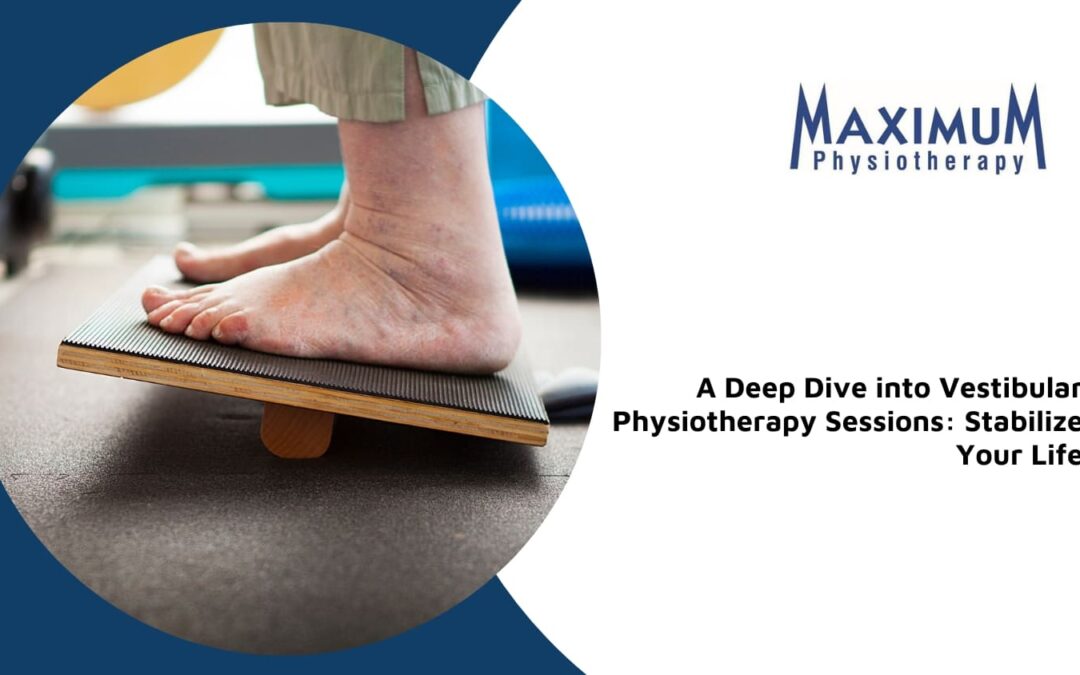
A Deep Dive into Vestibular Physiotherapy Sessions: Stabilize Your Life

A Deep Dive into Vestibular Physiotherapy Sessions: Stabilize Your Life

what to expect during vestibular physiotherapy

Vestibular physiotherapy is a specialized form of rehabilitation aimed at alleviating symptoms related to balance disorders, dizziness, and vertigo. Often, individuals experiencing these issues may find daily activities challenging and seek professional help to improve their balance and overall health. Vestibular physiotherapy provides tailored exercises and strategies to better manage these conditions. In this blog, we will explore what to expect during vestibular physiotherapy, how to prepare for sessions, potential side effects, session duration, and much more to guide you through a successful rehabilitation journey.

What Happens During Your First Vestibular Physiotherapy Session?

Your first vestibular physiotherapy session begins with a detailed evaluation aimed at understanding your symptoms, medical history, and daily challenges. The physiotherapist will talk with you about when your symptoms occur, what triggers them, and how they affect your balance or vision. You’ll likely complete a series of balance assessments to determine how well you can maintain stability while standing or moving. These exercises help the therapist pinpoint specific areas that require targeted training.


Another key part of the session involves assessing your eye movements. This helps reveal whether your vestibular system—the inner ear structures responsible for balance—is contributing to issues such as dizziness, unsteadiness, or blurred vision. By combining the findings from both the balance and eye movement evaluations, your physiotherapist can design a customized treatment plan focused on restoring your stability, reducing dizziness, and helping you regain confidence in your daily activities.

How Should You Prepare For A Vestibular Physiotherapy Appointment?

Knowing how to prepare for your first vestibular physiotherapy appointment will help you navigate the session with confidence and provide your physiotherapist with all the information they need to design a customized treatment plan. Here are some essential things to keep in mind:


  • Gather Medical Information: Bring any relevant medical records, including previous assessments or treatments related to your condition. This information helps the physiotherapist understand your history and tailor the session accordingly.
  • Wear Comfortable Clothes: Dress in comfortable, loose-fitting clothing that allows you to move freely. This is important for performing exercises during the session.
  • Note Your Symptoms: Keep a diary of your symptoms, noting their frequency, duration, and any triggering factors. This can provide valuable insights to the physiotherapist and help in crafting a precise treatment plan.
  • List Medications: Prepare a list of any medications you are currently taking. Some medications can affect balance and may be relevant to your treatment plan.
  • Understand Your Goals: Reflect on what you hope to achieve through physiotherapy. Clear goals can guide the treatment process and ensure your expectations align with the therapy.
  • Prepare Questions: Write down any questions you may have about the therapy or your condition. This ensures you address all your concerns during the session.
  • Hydrate and Rest: Ensure you are well-hydrated and rested before your appointment. Proper hydration and rest can influence your balance and overall performance during exercises.
  • Arrive Early: Arriving a few minutes early can give you time to relax and mentally prepare for the session.

Is Vestibular Physiotherapy Painful Or Uncomfortable?

Vestibular physiotherapy is generally not painful, though some individuals may experience discomfort due to symptoms like dizziness or nausea during certain exercises. These sensations are often temporary and can be vital for the success of the therapy, as they help in retraining the vestibular system. The physiotherapist will carefully monitor your reactions and adjust exercises as needed to ensure a balance between challenge and comfort. During the sessions, you may engage in activities that provoke symptoms to some extent, which is a part of the therapeutic process. Exercises might involve head movements or balance challenges designed to stimulate adaptation and compensation by the central nervous system.


It’s important to communicate with your physiotherapist about any discomfort experienced. The goal is to gradually build tolerance and enhance your balance and coordination over time. While mild discomfort may occur, it is managed carefully to ensure it remains within a tolerable range, and your safety and comfort are prioritized throughout.

Are There Any Side Effects After Vestibular Physiotherapy?

Some individuals may experience mild side effects after vestibular physiotherapy, such as temporary dizziness, headache, or fatigue. These effects are usually short-lived and a normal part of the adaptation process. Understanding these potential side effects can help you prepare for your sessions.


Dizziness

Experiencing temporary dizziness after exercises is common as your body adjusts to the therapy. It typically subsides as you progress with the treatment.

Headache

Some people may develop headaches due to the exercises or the concentration required during sessions. Staying hydrated and resting can help alleviate these symptoms.

Fatigue

Fatigue is a common side effect as the therapy can be physically and mentally demanding. Ensure you rest adequately after each session to allow your body to recover.

Nausea

Nausea may occur, especially if exercises trigger dizziness. Inform your physiotherapist if this happens, as they can adjust the exercises to reduce severity.

Balance Fluctuations

Temporary fluctuations in balance can occur as your body adapts to new exercises. These should stabilize as you continue with therapy.

Emotional Responses

The stress of dealing with symptoms and therapy can lead to emotional responses such as frustration or anxiety. Discuss these feelings with your physiotherapist for support.

Muscle Soreness

Exercises may lead to mild muscle soreness, particularly if you are using muscles that have been underused. This soreness is generally temporary.


Communicating any concerns with your physiotherapist can help manage these effects effectively.

How Many Vestibular Physiotherapy Sessions Do You Need To See Results?

The number of vestibular physiotherapy sessions required to see results can vary greatly depending on the individual and the severity of their condition. Most people notice improvements within a few sessions, but a complete course of treatment may range from several weeks to a few months. Factors such as the type and duration of symptoms, adherence to home exercises, and individual response to therapy all influence the timeline.


Typically, a physiotherapist will assess your progress regularly and may adjust the treatment plan to optimize results. Sessions are often scheduled weekly, allowing for consistent monitoring and adaptation of exercises. For some, noticeable improvements in balance and reduction in dizziness may occur quickly, while others may require a more extended period. Additionally, individuals who diligently follow prescribed exercises at home often experience more rapid progress.

What Should You Do After A Vestibular Physiotherapy Session?

After a vestibular physiotherapy session, it’s important to follow your physiotherapist’s advice, practice prescribed exercises at home, and rest as needed. These actions are crucial for reinforcing the benefits of the therapy and preventing symptom exacerbation.


  • Follow Home Exercises: Adhering to prescribed home exercises is essential for reinforcing the benefits of therapy. These exercises help maintain progress between sessions.
  • Rest Adequately: Allow yourself time to rest after each session. Adequate rest can help your body recover and adapt to the exercises performed.
  • Stay Hydrated: Drink plenty of water to stay hydrated, which can aid in reducing dizziness and fatigue.
  • Monitor Symptoms: Keep track of any changes in your symptoms. This information can be valuable for your next session and helps the physiotherapist adjust your treatment plan.
  • Avoid Triggers: Be mindful of activities or environments that may trigger your symptoms. Gradually reintroducing these in controlled settings can be part of the recovery process.
  • Communicate with Your Physiotherapist: Inform your physiotherapist of any new or worsening symptoms. Open communication ensures your treatment remains effective and safe.
  • Maintain a Balanced Diet: Proper nutrition can support your overall health and recovery. Ensure you are eating a balanced diet rich in nutrients.
  • Practice Relaxation Techniques: Stress management can be beneficial, so consider incorporating relaxation techniques such as deep breathing or meditation.

What Questions Should You Ask Your Vestibular Physiotherapist Before Starting Treatment?

Before starting treatment, it’s crucial to ask your vestibular physiotherapist about their approach, the expected timeline for improvements, and any specific exercises you will perform. These questions can help you understand the process and set realistic expectations.


  • What Is Your Experience with Vestibular Conditions? Understanding your physiotherapist’s experience can provide confidence in their ability to manage your condition effectively.
  • What Exercises Will I Be Doing? Knowing the types of exercises you will perform helps you mentally prepare and understand their purpose in your recovery.
  • How Long Before I See Improvements? Asking about the expected timeline for improvements can help set realistic expectations and keep you motivated.
  • What Can I Do at Home to Support My Recovery? Inquire about home exercises or lifestyle changes that can enhance the therapy’s effectiveness.
  • Are There Any Activities I Should Avoid? Knowing what activities or movements to avoid can prevent symptom exacerbation and support your recovery.
  • What Should I Expect During Sessions? Understanding the structure of the sessions helps you prepare and ensures you are comfortable with the process.
  • How Will Progress Be Measured? Learning how your progress will be evaluated can keep you informed and engaged in your recovery journey.
  • What Are the Potential Side Effects? Being aware of possible side effects allows you to anticipate and manage them effectively.

Treatment Customized to Your Needs

Vestibular physiotherapy offers a structured and effective approach to managing balance disorders, dizziness, and vertigo. By understanding what to expect from sessions, preparing adequately, and following through with home exercises, individuals can significantly improve their symptoms and quality of life. 


If you need personalized support for vestibular issues, book an appointment with Maximum by Body ‘n Balance Physio in Collingwood. Our dedicated team is ready to guide you on your path to better health and well-being.

Frequently Asked Questions

What Are Common Vestibular Disorders Treated with Physiotherapy?

Common vestibular disorders treated with physiotherapy include benign paroxysmal positional vertigo (BPPV), vestibular neuritis, and labyrinthitis. These conditions often cause symptoms like dizziness and balance issues.

Can Vestibular Physiotherapy Help with Motion Sickness?

Yes, vestibular physiotherapy can help reduce motion sickness by retraining the vestibular system through specific exercises that improve balance and coordination.

How Can I Tell If Vestibular Physiotherapy Is Working?

Improvement in symptoms such as reduced dizziness, better balance, and increased ability to perform daily activities are indicators that vestibular physiotherapy is working.

Do I Need a Referral for Vestibular Physiotherapy?

While a referral is not always required, it may be beneficial to have one from a healthcare provider to ensure comprehensive care and coordination between practitioners.

Reduce Injury Risk with Physiotherapy: Strengthen, Stretch, and Stay Safe

Reduce Injury Risk with Physiotherapy: Strengthen, Stretch, and Stay Safe

preventing injury with physiotherapy

Physiotherapy is not only a critical component in rehabilitation but also plays a pivotal role in preventing injuries before they occur. By utilizing targeted exercises and personalized treatment plans, physiotherapists can enhance an individual’s physical condition, thereby reducing the risk of injury. In this blog, we will explore how physiotherapy helps prevent injuries, the common injuries it can help avert, and the most effective techniques employed by physiotherapists for injury prevention. We’ll also examine the importance of strength and flexibility training, the frequency of physiotherapy visits, and the role of physiotherapy in reducing sports injuries.

How Does Physiotherapy Help In Preventing Injuries?

Physiotherapy helps prevent injuries by improving physical fitness, enhancing body mechanics, and addressing predisposing factors. By incorporating personalized exercise programs, physiotherapists focus on strengthening muscles, improving flexibility, and correcting posture. Key components include movement analysis, targeted strengthening, and balance training.


  • Movement Analysis: Physiotherapists evaluate an individual’s movement patterns to identify potential issues that may lead to injury. By understanding these patterns, they can tailor exercises to correct them, reducing the risk of injury.
  • Targeted Strengthening: Through specific exercises, physiotherapists can strengthen muscles that support joints, thereby increasing stability and preventing injuries such as sprains and strains.
  • Flexibility Improvement: Stretching routines designed by physiotherapists enhance flexibility, reducing the likelihood of muscle strains and joint injuries.
  • Posture Correction: Proper posture is essential in preventing injuries, particularly those related to repetitive strain. Physiotherapists provide guidance on maintaining correct posture during both daily activities and exercise.
  • Balance Training: Improving balance can prevent falls and related injuries. Physiotherapists employ exercises that enhance proprioception, helping individuals maintain stability.
  • Ergonomic Advice: Physiotherapists offer advice on ergonomic setups at workstations or home, which can prevent musculoskeletal injuries caused by poor ergonomics.
  • Education and Awareness: Educating individuals about body mechanics and injury prevention strategies increases their awareness and ability to avoid potential risks.


In summary, physiotherapy prevents injuries by focusing on strengthening and flexibility, correcting movement and posture, and educating individuals about potential risks.

What Common Injuries Can Physiotherapy Help Prevent?

Physiotherapy can help prevent a wide range of common injuries, including sports-related injuries, repetitive strain injuries, and back pain. By addressing factors such as muscle imbalances, poor posture, and insufficient flexibility, physiotherapists can significantly reduce the likelihood of these injuries.


Sports-Related Injuries

Physiotherapy enhances strength, flexibility, and coordination, making athletes less prone to injuries like ligament sprains and muscle tears.

Repetitive Strain Injuries

By improving ergonomic practices and strengthening key muscle groups, physiotherapy can prevent conditions like carpal tunnel syndrome and tendonitis.

Back Pain

Strengthening the core and improving posture are key strategies used in physiotherapy to prevent back pain, a common issue for many individuals.

Knee Injuries

Targeted exercises and proper alignment techniques help reduce the risk of knee injuries, which are often due to muscle imbalances or improper movement patterns.

Shoulder Injuries

Strengthening the rotator cuff and improving shoulder mechanics can prevent injuries such as impingement syndrome and rotator cuff tears.

Ankle Sprains

Balance and proprioceptive training enhance ankle stability, reducing the risk of sprains, particularly in athletes.

Hip Injuries

Physiotherapists can prevent hip injuries by addressing muscle imbalances and ensuring proper joint function through tailored exercises.


Overall, physiotherapy plays a crucial role in preventing injuries by addressing the underlying causes and enhancing physical resilience.

What Are The Most Effective Physiotherapy Techniques For Injury Prevention?

Several physiotherapy techniques effectively prevent injuries by focusing on strengthening, flexibility, and mechanics. Techniques such as manual therapy, exercise prescription, and education are integral to a comprehensive injury prevention plan.


  • Manual Therapy: This technique involves hands-on manipulation to improve joint function and reduce stiffness, enhancing overall mobility and reducing injury risk.
  • Exercise Prescription: Physiotherapists design personalized exercise programs that target specific weaknesses, improving strength and reducing injury susceptibility.
  • Functional Training: Exercises that mimic everyday movements improve functional strength, making individuals less prone to injuries during daily activities.
  • Neuromuscular Re-education: This involves exercises that retrain the nervous system to improve coordination and balance, vital for injury prevention.
  • Core Stabilization: Strengthening the core muscles supports the spine and improves posture, reducing the likelihood of back injuries.
  • Stretching Programs: Regular stretching enhances flexibility and reduces muscle tightness, preventing strains and other injuries.
  • Education and Advice: Providing information on proper techniques and ergonomics empowers individuals to prevent injuries on their own.


In brief, the most effective physiotherapy techniques for injury prevention include a combination of manual therapy, tailored exercises, and education to improve strength, flexibility, and mechanics.

What Role Does Strength And Flexibility Training Play In Injury Prevention?

Strength and flexibility training are fundamental in preventing injuries as they enhance muscular support and improve range of motion. These training components, when combined, provide a solid foundation for overall physical health and injury resistance.


Muscle Strengthening

Strong muscles support joints and absorb impact, reducing the risk of injuries such as sprains and fractures.

Improved Flexibility

Increased flexibility allows for a greater range of motion, reducing the likelihood of muscle strains and joint injuries.

Joint Stability

Strengthening exercises promote joint stability, essential for preventing injuries caused by sudden movements or impacts.

Enhanced Coordination

Improved strength and flexibility enhance coordination, reducing the risk of falls and associated injuries.

Postural Support

Stronger muscles contribute to better posture, which is crucial in preventing repetitive strain injuries.

Balanced Muscle Groups

Training ensures muscle groups are balanced, preventing injuries caused by imbalances, such as knee pain from weak quadriceps.

Recovery and Adaptation

Regular training helps the body recover from minor stresses, adapting to physical demands and preventing overuse injuries.


Key takeaways: Strength and flexibility training are vital in preventing injuries by enhancing muscular support, improving coordination, and ensuring balanced muscle development.

How Often Should You Visit A Physiotherapist To Prevent Injuries?

The frequency of physiotherapy visits for injury prevention depends on individual needs, lifestyle, and goals. Generally, visiting a physiotherapist once every 4 to 6 weeks is beneficial for maintaining physical health and addressing potential issues before they become significant.


During these sessions, physiotherapists assess physical condition, update exercise programs, and provide guidance on maintaining proper mechanics and posture. For individuals with a higher risk of injuries, such as athletes or those with physically demanding jobs, more frequent visits may be necessary to monitor progress and adjust training plans. Regular visits ensure that any emerging issues are addressed promptly, reducing the risk of developing chronic problems.


In short, the optimal frequency of physiotherapy visits varies, but regular appointments ensure ongoing assessment and adaptation of injury prevention strategies.

Can Regular Physiotherapy Sessions Reduce The Risk Of Sports Injuries?

Regular physiotherapy sessions significantly reduce the risk of sports injuries by enhancing physical performance, improving technique, and addressing predisposing factors. Physiotherapists employ various strategies, including movement analysis, strength training, and flexibility exercises, to minimize injury risk.


  • Movement Analysis: Physiotherapists assess athletes’ movements to identify potential issues, allowing for corrective exercises that reduce injury risk.
  • Strength Training: Targeted strengthening improves muscle support and joint stability, essential in preventing sports injuries.
  • Technique Improvement: Physiotherapists provide guidance on proper techniques to ensure movements are safe and efficient, reducing the risk of injury.
  • Flexibility Exercises: Stretching routines increase flexibility, reducing muscle tightness and the likelihood of strains.
  • Injury-Specific Programs: Customized programs address individual needs, focusing on areas most susceptible to injury for each athlete.
  • Rehabilitation Integration: Ongoing physiotherapy ensures that any minor injuries are managed effectively, preventing escalation into more severe issues.
  • Education and Awareness: Athletes are educated on body mechanics and injury prevention strategies, empowering them to avoid potential risks.


In summary, regular physiotherapy sessions play a crucial role in reducing sports injury risk by focusing on movement, strength, flexibility, and education.

Can Physiotherapy Help Prevent All Types of Injuries?

While physiotherapy significantly reduces the risk of many injuries, it cannot prevent all types. Physiotherapy excels in addressing musculoskeletal issues, improving movement patterns, and strengthening physical capabilities. However, some injuries, particularly those caused by accidents or external factors, may not be preventable through physiotherapy alone.


Physiotherapists focus on enhancing physical condition, correcting posture, and educating individuals about injury risks. Despite these efforts, certain injuries from unforeseen events or genetic predispositions may still occur. Nonetheless, physiotherapy remains a valuable tool in minimizing injury risks and enhancing overall physical health.


Overall, while physiotherapy cannot prevent every injury, it is an essential component of a comprehensive injury prevention strategy, focusing on strengthening, flexibility, and education.

Don’t Let Injury Slow You Down

Incorporating physiotherapy into your routine is a proactive approach to maintaining physical health and preventing injuries. By focusing on strengthening, flexibility, and proper mechanics, physiotherapy enhances your ability to perform daily activities safely and efficiently. 


If you’re interested in personalized support for injury prevention, book a session with the team at Maximum by Body ‘n Balance Physio in Collingwood. We are dedicated to helping you achieve optimal physical health and reduce your risk of injury.

Frequently Asked Questions

What Is the Importance of Movement Analysis in Physiotherapy?

Movement analysis is crucial in physiotherapy as it helps identify inefficient or risky movement patterns. By understanding these patterns, physiotherapists can create targeted exercise programs to correct them, reducing the risk of injury and enhancing performance.

How Does Physiotherapy Improve Flexibility?

Physiotherapy improves flexibility through personalized stretching routines that target specific muscle groups. These routines increase the range of motion and reduce muscle stiffness, which is essential in preventing strains and other injuries.

Can Physiotherapy Help with Chronic Pain Management?

Yes, physiotherapy can assist in managing chronic pain by addressing underlying physical issues, improving strength and mobility, and educating individuals on pain management strategies and techniques.

How Can Physiotherapy Assist Post-Injury Recovery?

Physiotherapy aids post-injury recovery by providing tailored rehabilitation programs that focus on restoring strength, flexibility, and function. Practitioners guide clients through exercises and techniques to enhance recovery and prevent further injury.

Is Physiotherapy Suitable for All Ages?

Physiotherapy is suitable for individuals of all ages, from children to the elderly. Practitioners tailor programs to meet the specific needs and physical capabilities of each age group, ensuring safe and effective intervention.