
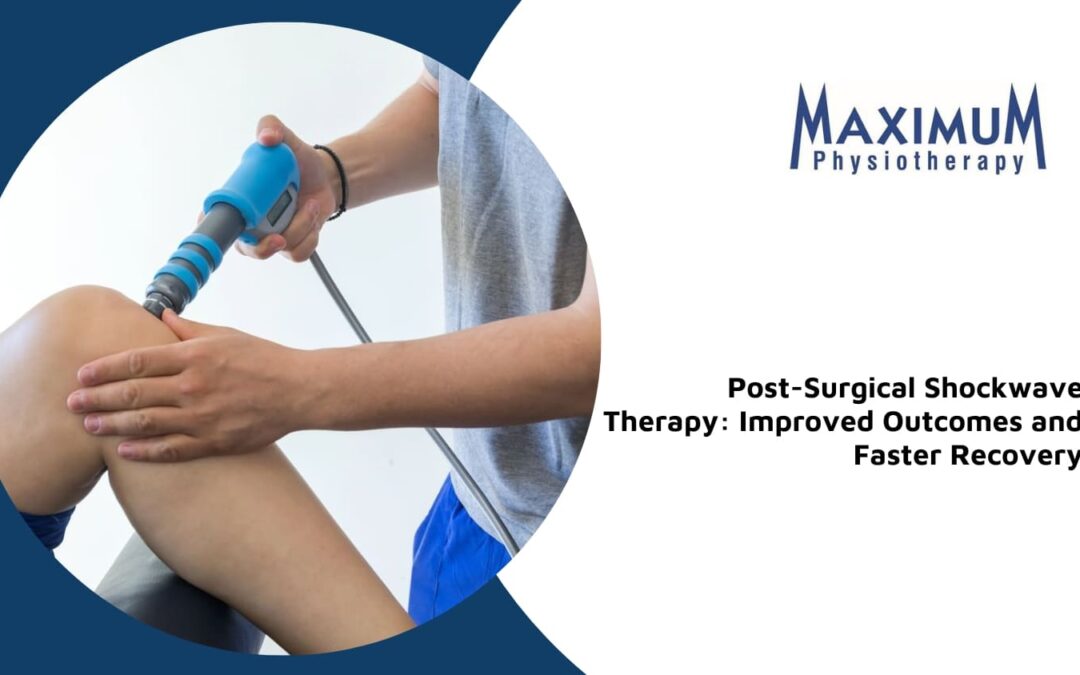
Post-Surgical Shockwave Therapy: Improved Outcomes and Faster Recovery

Post-Surgical Shockwave Therapy: Improved Outcomes and Faster Recovery
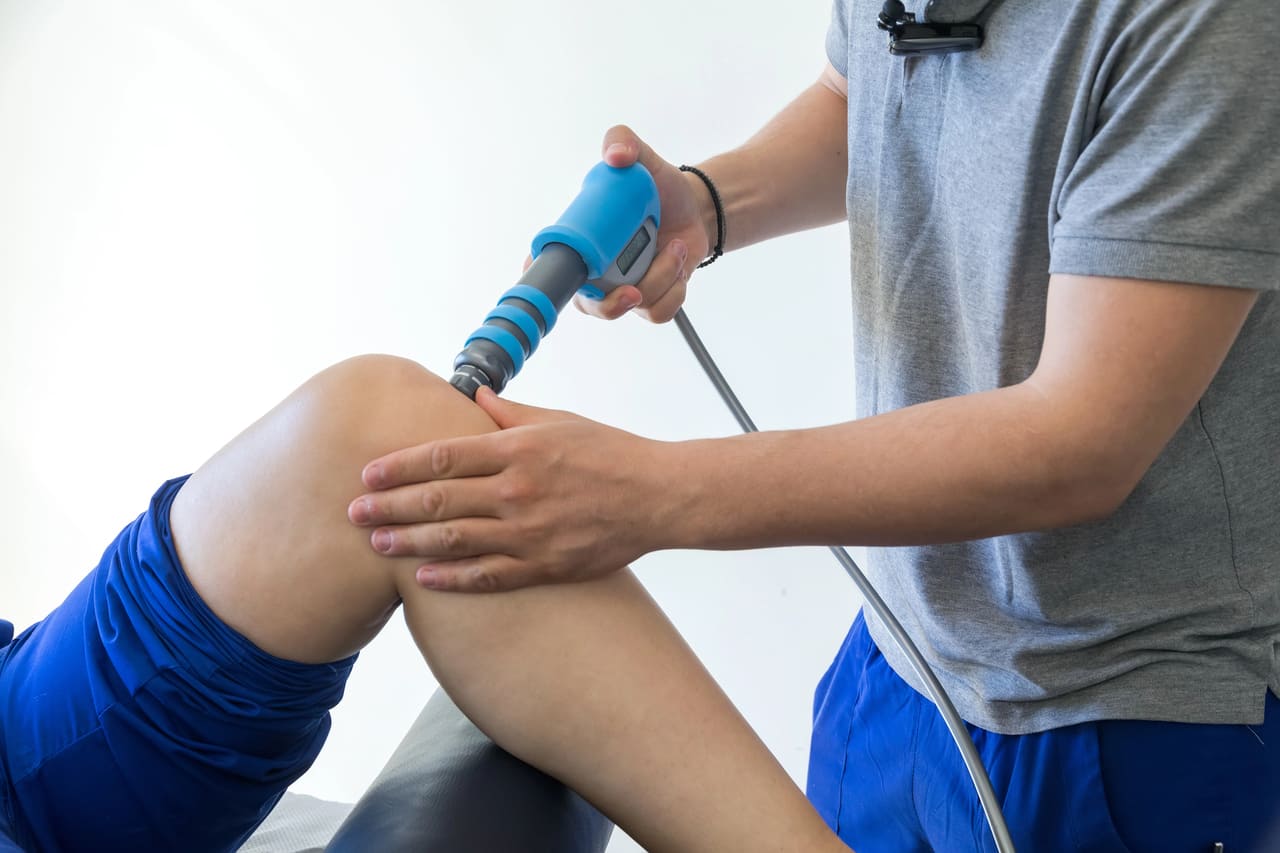
post-surgical shockwave therapyPost-surgical recovery can be a challenging journey, and finding effective therapies to support this process is crucial for optimal outcomes. One emerging treatment gaining popularity is shockwave therapy, which utilizes acoustic waves to promote tissue repair and improve mobility. In this blog, we’ll explore the role of post-surgical shockwave therapy, its benefits, ideal timing, safety considerations, and what to expect during sessions, providing a comprehensive guide for individuals seeking enhanced recovery after surgery.

What Is Post-Surgical Shockwave Therapy And Why Is It Important?

Post-surgical shockwave therapy employs high-energy sound waves to stimulate tissue repair and accelerate recovery following surgery. This non-invasive technique is crucial for reducing pain, enhancing mobility, and minimizing scar tissue formation. Shockwave therapy can be integral to recovery, offering benefits such as reduced inflammation and improved circulation.


  • Enhanced Circulation: Shockwave therapy increases blood flow to the affected area, promoting the delivery of nutrients essential for tissue repair.
  • Pain Reduction: The therapy can decrease nerve sensitivity and block pain pathways, providing relief from post-operative discomfort.
  • Scar Tissue Management: By breaking down adhesions and scar tissue, shockwave therapy helps maintain flexibility and function in the affected area.
  • Accelerated Recovery: With improved circulation and reduced pain, individuals often experience a quicker return to normal activities.
  • Non-Invasive Treatment: Unlike some surgical interventions, shockwave therapy is non-invasive, reducing the risk of complications and downtime.
  • Versatility: This therapy can be adapted to various surgical procedures, making it a versatile option for many clients.


In summary, post-surgical shockwave therapy is a valuable tool in the recovery toolkit, offering significant benefits in pain management, mobility enhancement, and overall recovery.

Which Surgeries Benefit Most From Post-Surgical Shockwave Therapy?

Post-surgical shockwave therapy is particularly beneficial for surgeries involving musculoskeletal structures, such as orthopedic and sports-related procedures. Surgeries on joints, tendons, and bones often see improved outcomes with this therapy, thanks to its ability to enhance tissue repair and reduce inflammation.


Orthopedic Surgeries Procedures like joint replacements or repairs often benefit from shockwave therapy due to its effects on tissue repair and inflammation reduction.
Tendon Repairs Individuals recovering from tendon surgeries, such as the Achilles or rotator cuff, can experience quicker recovery times and improved function.
Fracture Repairs Shockwave therapy can aid in the repair of bone fractures by stimulating bone growth and reducing associated pain.
Spinal Surgeries Post-surgical therapy can help manage pain and improve mobility in clients recovering from spinal operations.
Ligament Reconstructions Surgeries like ACL reconstruction often benefit from shockwave therapy’s ability to promote tissue repair and mobility.
Soft Tissue Surgeries Procedures involving soft tissues, such as liposuction or tumor excisions, can also see improved recovery with shockwave therapy.


Overall, individuals recovering from orthopedic, tendon, and soft tissue surgeries can significantly benefit from the application of post-surgical shockwave therapy, enhancing recovery and function.

How Soon Should You Start Post-Surgical Shockwave Therapy?

Shockwave therapy should ideally begin after the initial post-surgical recovery phase, typically starting a few weeks post-operation, depending on the surgery and individual recovery progress. Starting too early may interfere with the natural recovery process, while delaying might prolong recovery time.


The timing for initiating shockwave therapy varies based on several factors, including the type of surgery, the individual’s overall health, and the body’s natural response to the procedure. Healthcare providers will assess these factors to determine the most appropriate start time. For example, an individual recovering from a joint replacement might begin therapy within three to four weeks post-surgery, while someone with a tendon repair might start earlier or later, depending on recovery progress. It’s crucial to follow professional advice to ensure the therapy is both safe and effective. Close monitoring during the initial sessions helps tailor the therapy to individual needs, adjusting intensity and frequency as required.


In short, the timing of starting post-surgical shockwave therapy is critical and should be personalized based on professional assessments and recovery progress, ensuring optimal benefits without compromising safety.

What Techniques Other Than Shockwave Therapy May Be Used In Post-Surgical Recovery?

Post-surgical recovery may involve various techniques beyond shockwave therapy, including physiotherapy, massage therapy, and others. These complementary therapies can provide a holistic approach to enhance recovery, addressing different aspects of recovery and well-being.


Physiotherapy Involves tailored exercises and movements designed to restore function, improve strength, and increase flexibility after surgery.
Massage Therapy Helps alleviate muscle tension, reduce swelling, and promote relaxation, contributing to overall recovery.
Cold Therapy Applying ice or cold packs can reduce swelling and numb the area, offering immediate pain relief.
Heat Therapy Heat can improve circulation and relax muscles, making it useful in cases where stiffness is a concern.
Manual Therapy A hands-on approach that involves manipulating muscles and joints to improve movement and reduce pain.


In brief, combining shockwave therapy with these additional techniques can create a comprehensive recovery plan, addressing multiple facets of post-surgical rehabilitation.

Is Post-Surgical Shockwave Therapy Safe For All Types of Surgeries?

While post-surgical shockwave therapy is safe for many types of surgeries, it may not be suitable for all. The appropriateness depends on factors such as the type of surgery, the individual’s health status, and potential contraindications. Healthcare providers can determine suitability through careful assessment.


  • Orthopedic Surgeries: Generally safe, especially for joint and bone procedures, due to its benefits in promoting tissue repair.
  • Soft Tissue Surgeries: Often suitable, aiding in reducing scar tissue and improving mobility.
  • Contraindications: Individuals with certain conditions, such as active infections or tumors, may need to avoid this therapy.
  • Pregnancy Considerations: Pregnant individuals should consult healthcare providers before undergoing shockwave therapy.
  • Device Sensitivity: Caution is required for individuals with implanted medical devices, as shockwave therapy could interfere with these components.
  • Fragile Skin Conditions: Extra care is necessary for individuals with conditions that affect skin integrity to avoid further complications.


In summary, while shockwave therapy is generally safe, its application depends on individual circumstances. Professional assessment is crucial to ensure safety and efficacy.

How Long Does Post-Surgical Shockwave Therapy Usually Last?

The duration of post-surgical shockwave therapy varies based on the individual’s condition, type of surgery, and recovery goals. Typically, therapy sessions range from 20 to 30 minutes, with a series of sessions over several weeks. The frequency and length of the therapy plan are tailored to optimize recovery outcomes.


Most therapy plans involve multiple sessions, often starting with one or two sessions per week. As the individual progresses, the frequency may be adjusted based on their response to treatment and overall recovery. The total number of sessions can vary widely, from a few weeks to several months, depending on the complexity of the surgery and the individual’s response. Regular assessments by healthcare providers help determine the effectiveness of the therapy and any necessary adjustments. The goal is to provide enough sessions to achieve significant improvement in pain, mobility, and overall function.


In short, the duration and frequency of shockwave therapy are customized according to individual recovery needs, ensuring optimal support throughout the post-surgical rehabilitation process.

What Should You Expect During Your First Post-Surgical Shockwave Therapy Session?

During your first post-surgical shockwave therapy session, expect an initial evaluation followed by the application of the therapy to the affected area. The session typically includes discussing your medical history, setting treatment goals, and experiencing the sensation of the therapy, which may feel like pulsations on the skin.


  • Initial Evaluation: The session begins with a discussion about your surgery, recovery progress, and therapy goals. This helps tailor the treatment to your specific needs.
  • Treatment Area Preparation: The practitioner will identify the precise area for therapy and may apply a gel to improve the transmission of sound waves.
  • Therapy Application: The device is placed on the skin, and you may feel a tapping or pulsing sensation as the shockwaves are delivered.
  • Comfort Monitoring: Throughout the session, the practitioner will check for any discomfort and adjust settings to ensure a comfortable experience.
  • Duration: Each session typically lasts between 20 to 30 minutes, depending on the treatment area and individual needs.
  • Post-Treatment Discussion: After the session, the practitioner may discuss immediate effects and any necessary follow-up or home care instructions.


To sum up, during your first session, expect an evaluation, the application of therapy, and a focus on comfort and tailored treatment planning to support your recovery journey.

Pain is No Longer in Control

The role of post-surgical shockwave therapy in recovery is significant, offering a non-invasive way to manage pain, enhance mobility, and support tissue repair. By integrating this therapy into post-surgical care, individuals can experience a smoother and quicker recovery process. 


For those seeking personalized support, Maximum by Body ‘n Balance Physio in Collingwood can provide tailored solutions to meet recovery goals. Our dedicated team is ready to assist with customized therapy plans to help you regain strength and function effectively. Contact us today to get started!

Frequently Asked Questions

Can Shockwave Therapy Be Used For Non-Surgical Conditions?

Yes, shockwave therapy is also effective for a variety of non-surgical conditions, including chronic tendinitis, plantar fasciitis, and calcific shoulder tendinopathy. It helps in reducing pain and promoting tissue recovery in these scenarios.

What Are The Side Effects Of Shockwave Therapy?

Common side effects are usually mild and may include temporary redness, swelling, or bruising in the treated area. These effects typically resolve within a few days and do not require intervention.

How Does Shockwave Therapy Work?

Shockwave therapy uses high-energy sound waves to stimulate blood flow, promote tissue repair, and reduce pain. The waves interact with the tissues, enhancing cellular activity and encouraging natural repair processes.

Is Shockwave Therapy Painful?

Most individuals report feeling a tapping or pulsating sensation, which can be slightly uncomfortable but not painful. Practitioners can adjust the intensity to ensure client comfort during the session.
The Benefits of Shockwave Therapy for Pain Relief: Non-Invasive Recovery

The Benefits of Shockwave Therapy for Pain Relief: Non-Invasive Recovery

relieving pain with shockwave therapy

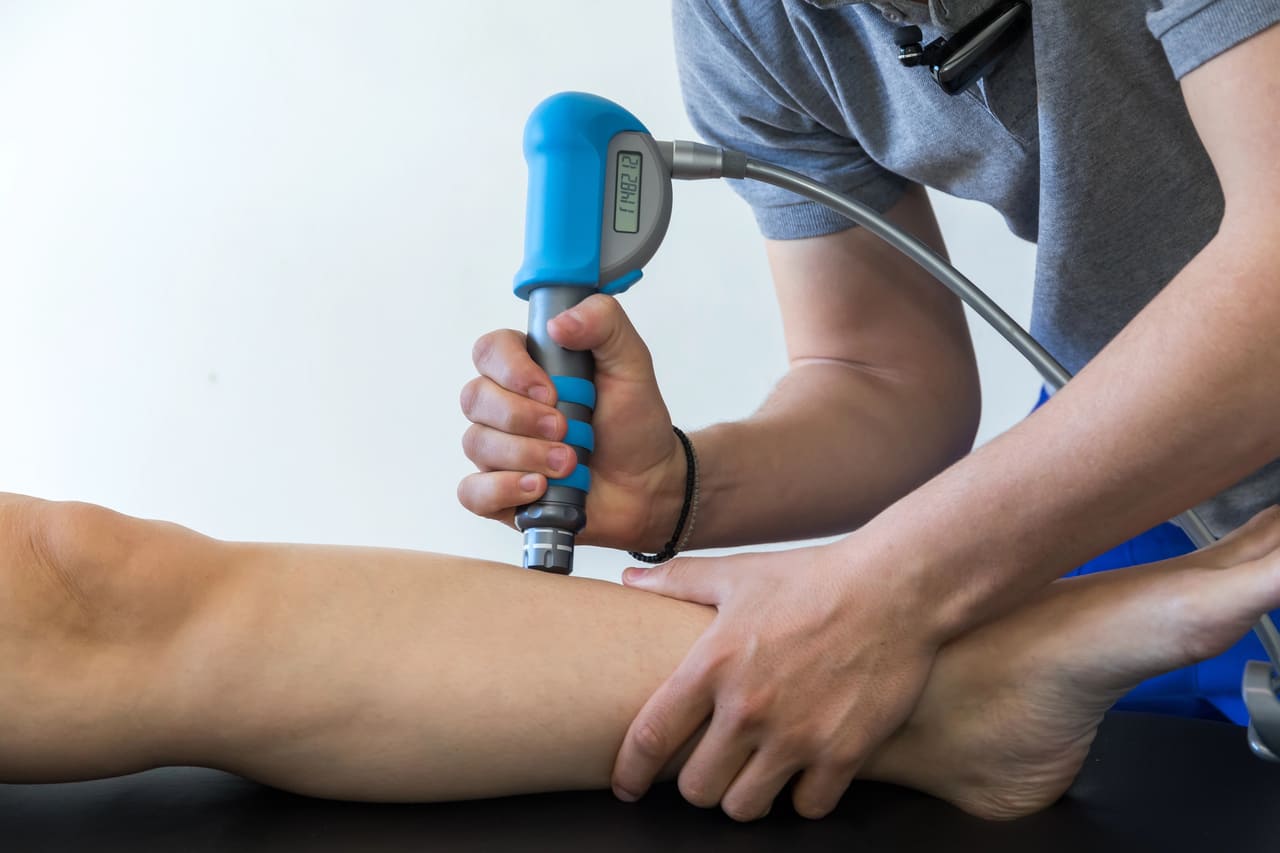
In the realm of physiotherapy, shockwave therapy is gaining traction for its innovative approach to pain relief. This non-invasive treatment uses acoustic waves to stimulate the body’s natural repair processes, offering a promising option for those seeking alternatives to traditional pain management. In this blog, we will explore how shockwave therapy works for pain relief, the types of pain it can address, its safety and efficacy, and more. By understanding these aspects, individuals can make informed decisions about incorporating shockwave therapy into their recovery plans.

What Is Shockwave Therapy And How Does It Relieve Pain?

Shockwave therapy is a non-invasive treatment that uses high-energy acoustic waves to promote pain relief and tissue recovery. These waves interact with the tissues in the body, encouraging the natural repair processes. Shockwave therapy is particularly effective for musculoskeletal disorders and conditions involving tendons and ligaments.


  • Acoustic Waves: These are the primary agents in shockwave therapy. They penetrate the skin to reach the affected area, stimulating cellular activity and promoting blood circulation.
  • Pain Reduction Mechanism: The therapy helps reduce pain by desensitizing nerve endings and interrupting pain signals, providing relief from chronic pain conditions.
  • Tissue Recovery: Shockwave therapy enhances collagen production, which is crucial for repairing damaged tissues, particularly in tendons and ligaments.
  • Inflammation Reduction: By promoting better blood flow, the therapy aids in reducing inflammation, which is often a source of pain in chronic conditions.
  • Calcium Deposit Breakdown: In conditions like calcific tendonitis, shockwave therapy can help break down calcium deposits, facilitating better movement and reducing pain.
  • Trigger Point Treatment: It is also effective in treating trigger points, which are tight areas within muscle tissue that cause pain in other parts of the body.
  • Versatility: Shockwave therapy can be used for various conditions, ranging from plantar fasciitis to tennis elbow and beyond.


In summary, shockwave therapy offers a comprehensive approach to pain relief, addressing both symptoms and underlying causes. Its versatility makes it a valuable tool for managing various conditions.

What Types Of Pain Can Be Treated With Shockwave Therapy?

Shockwave therapy can treat a wide array of pain conditions, particularly those affecting the musculoskeletal system. It is effective for chronic pain, sports injuries, and specific conditions like plantar fasciitis and tendonitis.


Plantar Fasciitis A common cause of heel pain, shockwave therapy can help reduce inflammation and promote tissue recovery in the plantar fascia.
Tennis Elbow Known medically as lateral epicondylitis, this condition benefits from shockwave therapy by reducing pain and improving arm function.
Achilles Tendonitis This therapy aids in recovering from inflammation and microtears in the Achilles tendon, promoting better mobility and reducing discomfort.
Calcific Tendonitis Shockwave therapy can help break down the calcium deposits in tendons, relieving pain and restoring movement.
Patellar Tendinopathy Often seen in athletes, this condition involves pain in the knee area, which can be alleviated by promoting tissue recovery through shockwave therapy.
Myofascial Pain Syndrome Trigger points causing referred pain can be effectively treated with shockwave therapy, offering relief and improving function.
Hip Bursitis This therapy can reduce inflammation in the bursa, easing hip pain and improving mobility.


Overall, shockwave therapy provides a targeted approach to managing various pain conditions, enhancing recovery and improving quality of life.

Is Shockwave Therapy Safe, And Are There Any Side Effects?

Shockwave therapy is generally considered safe when performed by a trained professional. It is a non-invasive procedure with minimal risk of complications. However, as with any medical intervention, there can be some side effects, which are usually mild and temporary.


The most common side effects include slight discomfort during the procedure, redness, or swelling in the treated area. These effects typically resolve within a few days. Some individuals may experience bruising or skin irritation, but these are rare and usually not severe. The therapy is unsuitable for individuals with certain conditions, such as those with blood-clotting disorders or those who are pregnant. It is essential to consult with a healthcare provider to determine if shockwave therapy is appropriate for your specific condition.


In short, while shockwave therapy is safe for most individuals, it is crucial to discuss any concerns with a healthcare provider to ensure it is the right option for you.

How Does Shockwave Therapy Compare To Other Pain Relief Treatments?

Shockwave therapy offers unique benefits compared to other pain relief treatments. It is non-invasive, promotes tissue recovery, and has minimal side effects, unlike some surgical or pharmaceutical options.


  • Non-Invasive Nature: Unlike surgical interventions, shockwave therapy does not require incisions or anesthesia, reducing the risk of infection and other complications.
  • Faster Recovery: The therapy encourages the body’s natural recovery processes, often leading to faster improvements compared to more invasive treatments.
  • Minimal Side Effects: Unlike medication, which can have systemic side effects, shockwave therapy’s localized application minimizes adverse reactions.
  • Cost-Effective: As a non-surgical option, shockwave therapy can be more affordable than surgery or long-term medication use.
  • Complementary Treatment: It can be used alongside other physiotherapy techniques to enhance overall recovery and pain management.
  • Specific Targeting: Shockwave therapy allows for precise targeting of the affected area, which can lead to more effective outcomes.
  • Long-Lasting Results: Many individuals experience prolonged relief from pain following a course of shockwave therapy sessions.


In brief, shockwave therapy stands out as a versatile and effective alternative to traditional pain relief methods, offering distinct advantages in terms of safety, cost, and recovery time.

How Many Sessions Of Shockwave Therapy Are Needed For Pain Relief?

The number of shockwave therapy sessions required for pain relief varies based on the individual’s condition and response to treatment. Typically, 3 to 6 sessions are recommended, spaced one week apart. However, the exact number can differ depending on the severity and type of pain.


The therapy’s cumulative effect means that benefits often increase with each session. Initial improvements might be noticeable after the first treatment, but significant pain relief and functional improvements generally occur after several sessions. The duration and frequency of treatment are tailored to the individual’s needs, taking into account factors such as the specific condition being treated and the individual’s overall health.


To sum up, while the typical course involves 3 to 6 sessions, individual needs and progress will guide the precise number of treatments required for optimal pain relief.

What Should You Expect During A Shockwave Therapy Session?

During a shockwave therapy session, individuals can expect a straightforward and relatively quick process. The therapy involves applying a gel to the skin and using a handheld device to deliver acoustic waves to the targeted area.


Initial Consultation The session begins with a discussion about the individual’s condition and treatment goals, ensuring the therapy is tailored to their needs.
Gel Application A conductive gel is applied to the skin to facilitate the transmission of acoustic waves.
Device Application The practitioner uses a handheld device to deliver shockwaves to the affected area, adjusting the intensity based on the individual’s comfort and therapeutic needs.
Sensation Individuals may feel mild discomfort or tingling during the session, which is generally well-tolerated.
Duration Sessions typically last between 15 to 30 minutes, depending on the area being treated.
Post-Treatment There might be slight redness or swelling in the treated area, but these effects are usually temporary.
Follow-Up Additional sessions are scheduled based on the treatment plan, with progress assessed regularly.


In summary, shockwave therapy sessions are designed to be efficient and effective, with minimal discomfort and downtime.

How Long Do The Results Of Shockwave Therapy Last?

The results of shockwave therapy can vary, but many individuals experience long-lasting relief from pain. The duration of the results often depends on the condition being treated and the individual’s overall health. Some people report sustained improvements for months or even years.


The therapy’s effectiveness is attributed to its ability to stimulate tissue recovery and reduce inflammation, which can lead to lasting changes in the affected area. Consistent follow-up and possible maintenance sessions can help extend the benefits. Additionally, integrating shockwave therapy with other physiotherapy techniques can enhance and prolong the results.


Overall, while individual experiences may vary, shockwave therapy often provides durable pain relief, making it a valuable component of a comprehensive pain management strategy.

Who Is A Good Candidate For Shockwave Therapy For Pain Relief?

A good candidate for shockwave therapy is someone experiencing chronic musculoskeletal pain, particularly those who haven’t found relief through traditional methods. The therapy is suitable for various conditions, including tendonitis, plantar fasciitis, and sports injuries.


  • Chronic Pain Sufferers: Individuals with persistent pain that hasn’t responded to other treatments may benefit from shockwave therapy.
  • Athletes: Those recovering from sports injuries often find shockwave therapy helpful in accelerating recovery and returning to activities.
  • Individuals with Tendon Conditions: Conditions like tendonitis and bursitis are effectively managed with this therapy.
  • People with Calcific Deposits: Those with conditions involving calcium deposits can experience significant relief as the therapy helps break down these deposits.
  • Non-Surgical Candidates: Individuals seeking non-invasive alternatives to surgery can consider shockwave therapy as a viable option.
  • Collaborative Care Approach: Those open to integrating shockwave therapy with other physiotherapy treatments may experience enhanced results.


Key takeaways: Shockwave therapy is versatile and suitable for various individuals, particularly those seeking non-invasive pain relief options.

Don’t Let Pain Slow You Down

Shockwave therapy represents a cutting-edge approach to pain management, offering numerous benefits for individuals with chronic and acute conditions. By promoting natural tissue recovery and reducing inflammation, it provides a viable alternative to more invasive treatments. 


People looking for effective pain relief options are encouraged to explore this therapy further. Book a session with the team at Maximum by Body ‘n Balance Physio in Collingwood for personalized support and to determine if shockwave therapy is the right fit for your recovery journey.

Frequently Asked Questions

How Does Shockwave Therapy Work?

Shockwave therapy works by delivering high-energy acoustic waves to the affected area, stimulating tissue recovery and reducing pain through enhanced blood flow and collagen production.

Can Shockwave Therapy Treat Plantar Fasciitis?

Yes, shockwave therapy is effective in treating plantar fasciitis by promoting tissue recovery and reducing inflammation in the plantar fascia, leading to pain relief.

Is Shockwave Therapy Covered By Insurance?

Coverage for shockwave therapy varies by insurance plan. It is advisable to check with your provider to determine if this treatment is included in your coverage.

What Should I Wear To A Shockwave Therapy Session?

Wear comfortable, loose-fitting clothing to a shockwave therapy session to allow easy access to the area being treated. Your practitioner will guide you on specific attire requirements.

Can Shockwave Therapy Be Combined With Other Treatments?

Yes, shockwave therapy can be combined with other physiotherapy treatments to enhance outcomes and provide comprehensive pain management.

Shock Wave Therapy for Tendonitis: Healthy, Safe, and Successful Pain Relief

Shock Wave Therapy for Tendonitis: Healthy, Safe, and Successful Pain Relief

Tendons are the rugged, fibrous cords that connect muscles to our bones. Whenever we move a specific muscle, the tendon tugs on the bone and causes motion. Tendons are extremely vulnerable to strain and stress as a result of their minimal tensile ability and the heavy weights they bear during daily activity, often creating chronic conditions in our feet, knees and shoulders, to name a few!

Tendonitis is an unpleasant inflammation of the tendon or connective tissues. It is caused by excessive strain on your tendons.  Almost any repetitive motion can result in tendonitis — especially among individuals who spend a significant period of time doing it.

Tendonitis makes it hard for you to move without aching, stiffness and weakness. If you’re a golf enthusiast, tennis player, or other athlete who regularly over-exerts their tendons, then you understand first-hand how frustrating and disabling it can be.


Without treatment, tendonitis can get worse and end up becoming chronic, which is additionally referred to as tendinosis. With this disorder, the tendon becomes weaker and doesn’t recover appropriately. If left untreated for too long, it may not ever heal entirely or go back to typical function again.

Fortunately, with the proper therapy at the right time, you will get back to your regular activities in no time at all, with no remaining effects from your tendonitis — simply continue reading for all the details!

What is Shockwave Therapy?

Shockwave therapy, additionally known as “extracorporeal shockwave therapy” (ESWT), is a painless, non-invasive treatment that’s been shown to be very effective in treating tendonitis. It is the application of tightly-focused sound waves that create micro-injuries in your tendons to stimulate an increase in blood flow, and quicker recovery. Shockwave therapy is often used as an alternative to surgical treatment to relieve a variety of conditions.

How Does Shockwave Therapy Help Relieve Tendonitis?

Shockwave therapy works by producing micro-injuries in your tendons. This stimulates your body to initiate a recovery process, producing new collagen and restoring your tendon structure and function. This is called the “regenerative process”, and it allows your body to mend damaged tissues and rejuvenate them to their normal state of well being and function. This is one of the several ways in which shockwave treatment helps with tendonitis!

Another reason shockwave therapy may be successful for tendonitis is simply because it doesn’t require any topical or oral prescriptions which may have adverse effects. This may be very helpful for individuals who wish to stay clear of needless negative effects or for those who are allergic to specific medications.

With shockwave treatment, you can concentrate on recovering and be sure that you are getting the best possible treatment for your disorder.

The Benefits of Shockwave Therapy for Tendonitis

Using shockwave therapy to relieve tendonitis has a number of advantages versus other treatments, including:
No Side Effects: Among the most obvious benefits of shockwave therapy is that there are no side effects and no threat of adverse reactions. Although there is a sound and sensation to the treatment, it is completely safe and has no negative effects like oral or topical medicines do.

No Needles: Another advantage of Shockwave therapy is that you will not need to deal with the discomfort and pain of injections. Lots of treatments for tendonitis involve injecting the afflicted area to induce the healing process. You receive the very same outcomes without needing to deal with the discomfort and hassle of hypodermic injections.

No Downtime: A benefit of shockwave treatment is that you don’t need to fret about needing to take time off work or being inactive while your tendon heals. The treatment has minimal discomfort and does not call for any downtime.

No Long-Lasting Negative Side Effects: Among the greatest benefits of Shockwave therapy for tendonitis is that it doesn’t include any long-lasting negative effects. You can feel certain that you won’t have to tackle any unexpected consequences or unfavorable reactions down the road. As a matter of fact, the regenerative system that shockwave treatment activates can literally help protect against future tendon damage!

Are there any Negative Side Effects of Shockwave Treatment?

Shockwave therapy does not have any substantial or long-lasting adverse effects. Although there might be mild small pain or  inflammation after the treatment, these side effects are not serious and will dissipate on their own in a few days. There’s also no danger of harming adjacent tissues or nerves.

It should be kept in mind that shockwave treatment isn’t ideal for everyone. Individuals with particular health issues like pregnancy, open injuries or infection should stay clear of it. It’s definitely best to ask your doctor or physiotherapist if shockwave therapy is appropriate for you.

How Much Does Shockwave Therapy Cost?

The expense of Shockwave therapy for tendonitis differs from clinic to clinic. It’s ideal to find a clinic in your area and find out a price for your specific treatment. Make sure to ask about any insurance coverage that might be accessible to you.

If you have insurance coverage, take a look at your policy and see if it includes Shockwave therapy, which will be covered under physiotherapy, if appropriate. Either way, you can typically make a consultation with a physiotherapist or expert near you and get treated immediately.

How Many Appointments Will You Have?

The number of shockwave treatment sessions you need will differ depending upon the severity of your tendonitis and your reaction to the therapy. You will likely begin to feel benefits between three and five sessions, one week apart. If you have health insurance, be certain to bring the information with you to your appointment if you need help interpreting.

Where Can You Have Shockwave Treatment for Tendonitis?

Shockwave therapy is typically performed in a medical/physiotherapy facility. If you’re feeling discomfort and pain from tendonitis, it is important to book treatment as quickly as possible to stop the problem from becoming worse. If you have tried other treatments and they didn’t work, then it’s well worth giving Shockwave treatment a try.

Call Maximum by Body ‘n Balance Physio soon and we can start to deal with your tendonitis discomfort. We are now scheduling new clients!

Shockwave Therapy for Tennis Elbow: A Modern Alternative to a Problematic Injury

Shockwave Therapy for Tennis Elbow: A Modern Alternative to a Problematic Injury

shockwave for tennis elbow collingwood
.

When it involves the world of sports, few games test your physical and mental abilities like tennis.

Unfortunately, if you have played the game for very long, you are probably acquainted with “tennis elbow”, an injury to the tendon on the outer side of the elbow joint. Also known as “golfers elbow”, tennis elbow is a kind of tendon injury that typically happens because of overuse of your wrist and forearm muscles.

If you’ve ever struggled with tennis elbow, you understand how painful and discouraging it may be. In many cases, this unpleasant condition is not taken seriously until it starts to hinder your daily activities and quality of life.

It can even pressure you to quit several of your favourite activities if left neglected due to chronic pain. Having said that, recognizing the signs and symptoms early on is critical in facilitating a recovery process that restores comfortable movement in the shortest time with little if any long-term damage.

Thankfully, there’s now an effective treatment for this issue: Shockwave therapy for tennis elbow. Not only is this plan of care easy and beneficial, it also doesn’t require surgery or extensive healing time. If you have to deal with tennis elbow and want to have a way to get back to the court again quickly, continue reading to learn everything you want to know concerning shockwave treatment for tennis elbow.

What is Shockwave Treatment?

Shock Wave therapy (also known as extracorporeal shock wave therapy) is a treatment method for tennis elbow, persistent tendon injuries, and other muscle or joint injuries.

Shockwave therapy is a non-invasive treatment that’s utilized to treat tennis elbow through using high frequency acoustic waves, which are transformed into little pressure waves that penetrate into the tissues. These acoustic waves make tiny tears in the tendon near the elbow, which triggers fresh collagen to grow and mend the tendon, leading to lessened pain and increased movement.

How Exactly Does Shock Wave Therapy Correct Tennis Elbow?

As we’ve just noted above, shockwave treatment uses high-intensity acoustic waves to enter the body’s tissues. The acoustic waves utilized in shockwave treatment are very close to those employed during the course of an ultrasound scan.

The difference when comparing the two is that the waves used in ultrasound have a significantly longer wavelength than shockwave therapy sound waves. Shockwave treatment acoustic waves are significantly shorter and higher in frequency, indicating they can enter deeper into the muscles and tissues.

The moment these acoustic waves have penetrated, they create little soft tissue injuries in the tendon or tissue near the elbow, which triggers all new collagen to grow and restore the tendon, resulting in lessened discomfort and increased range of motion. The treatment’s applied with a wand-like tool that restricts the shockwave therapy to only the location affected by tennis elbow.

The Benefits of Shock Wave Therapy for Tennis Elbow

Shockwave treatment for tennis elbow delivers many benefits compared to other treatments, including:

  • Successful Treatment: Shockwave treatment is a tested, effective therapy for tennis elbow. Healing rates after shockwave therapy for tennis elbow exceed over 95%.
  • No Surgery Required: Lots of candidates for treatment are afraid to try any kind of treatment for tennis elbow that necessitates surgical treatment, which can trigger a delay of treatment. Fortunately, Shock Wave therapy for tennis elbow does not require surgical treatment; rather, it’s a totally non-surgical treatment.
  • No Significant Negative Effects: Shockwave treatment for tennis elbow has extremely few adverse effects and may be utilized as an advanced therapy technique for a range of disorders, including things like tennis elbow. The only noted negative side effects of shockwave therapy are mild pain and swelling or inflammation at the treatment site.
  • Shortened Treatment Period: Shockwave therapy for tennis elbow is a quick-acting therapy for tissue repair that can be carried out over multiple one-hour appointments. This fast-paced treatment period helps ensure that your tennis elbow doesn’t last any longer than definitely necessary.

How Much Does Shock Wave Therapy Cost?

Shockwave therapy for tennis elbow comes at a cost, and that cost may vary from $500 to $1,000 per treatment. The average expense per appointment is around $700. This cost is just an approximation, as shockwave therapy expenses vary depending on the kind of care center you go to and your insurance protection.

In contrast to other tennis elbow therapies, like braces, injections, and rehabilitation exercises, shockwave treatment does not necessarily necessitate out-of-pocket expenses. If you have medical insurance, you may see your healthcare provider to see if they cover tennis elbow treatments, including shockwave treatment.

If you don’t have medical insurance coverage, you may still go to a shockwave therapy health care clinic to receive treatment. The cost of the treatment will differ depending on the clinic you visit. You can also ask about any payment arrangements or financial aid programs offered by the provider to help make the therapy more budget friendly.

How to Choose a Qualified Shockwave Treatment Provider?

Much like any other health-related service, it is vital to pick a competent Shockwave treatment professional. Prior to making a visit with a specific physiotherapy centre, make certain it’s licensed and follow these criteria when deciding on a shockwave therapy service provider:

  • Experience: The most efficient way to figure out a shockwave therapy provider’s previous experience is by simply inquiring about the experience of the professionals who will be treating you. You can also check online to learn if any of the service providers have been evaluated by other patients.
  • Experience With Tennis Elbow: The ideal shockwave treatment professionals will also have experience relieving tennis elbow and other kinds of tendinitis and injuries.
  • Other Solutions: Be sure the center you select offers more than just shockwave treatment. Some centers also offer physical treatment and other treatments that can help your tennis elbow recover much faster.

Conclusion: Is Shockwave Treatment The Best Choice For You?

If you are struggling with tennis elbow and are seeking a means to relieve the pain rapidly and without surgical treatment, shockwave therapy may be the right choice for you. Contact your local Maximum by Body ‘n Balance Physio clinic to get more info about shockwave therapy for tennis elbow and to set up a visit.

Contact our team of therapists at Maximum by Body ‘n Balance Physio right away and we can schedule alleviating your tennis elbow pain. Now scheduling new appointments!