
Introduction: Why Education Matters in Your Recovery
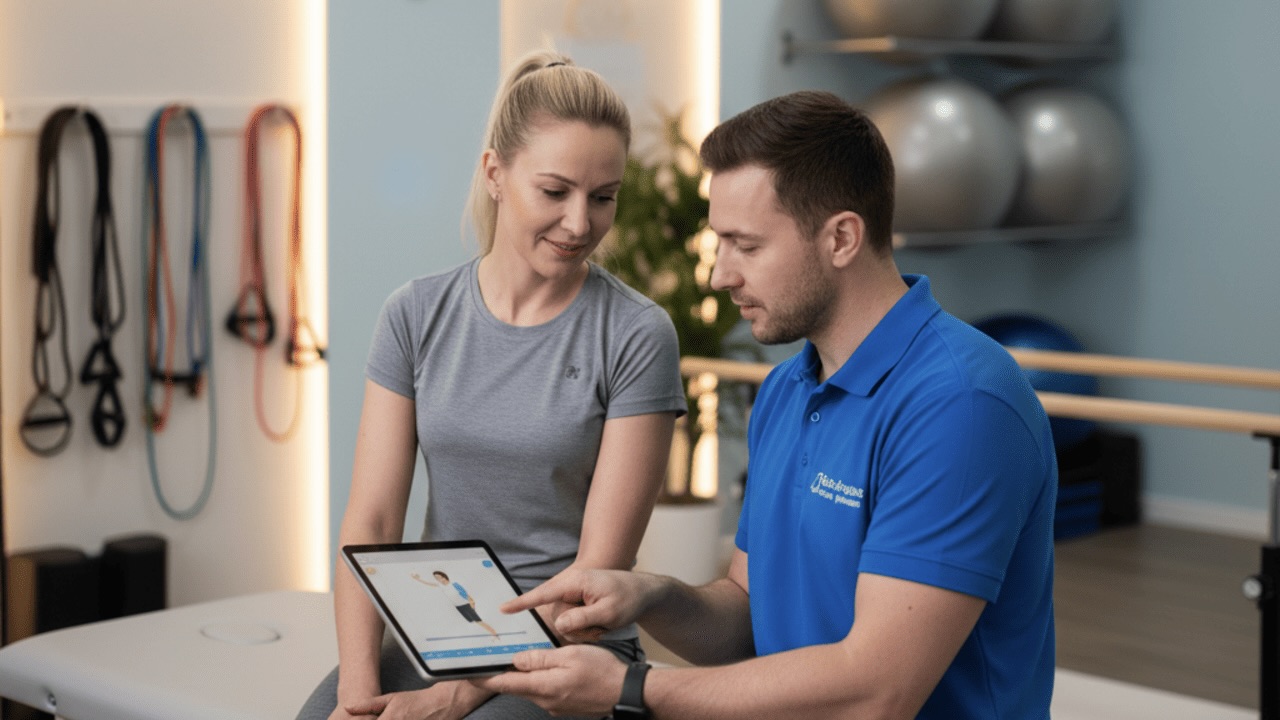
Physiotherapy is more than hands-on treatment. It’s a process of learning—about your body, your injury, and what you can do to heal well and stay healthy long after your sessions end. At its best, physiotherapy equips you with the knowledge and confidence to move forward with clarity. In this article, we’ll break down how physiotherapy education supports long-term recovery, strengthens self-management skills, and protects against future injuries—especially when that education is clear, personalized, and delivered with purpose.
The Importance of Patient Education in Physiotherapy
Physiotherapy education refers to the practical, evidence-based information your physiotherapist shares with you during care. This can include explanations of your diagnosis, how different treatments help, why each home exercise is prescribed, and what signs to watch for as you recover. Beyond the physical, education makes a difference to how you feel during recovery. Knowing what’s happening in your body shifts you out of worry and into action. According to the National Institutes of Health, informed patients feel more in control, have reduced anxiety, and report better therapy outcomes. Education improves understanding, but it also builds trust and motivation. In practice, this means your physiotherapist isn’t just treating your current pain—our goal is to help you understand where it comes from and what to do about it, long after you leave the clinic.
Key Topics Covered During Physiotherapy Sessions
Education doesn’t come in a single conversation. It’s ongoing and varies depending on your individual goals, condition, and lifestyle. During your sessions, you can expect guidance in areas such as:
- Pain science and management: Learn how pain works and why understanding it matters in making progress.
- Exercise technique: Master correct form so movements are safe and effective, building strength without setback.
- Posture and body mechanics: Understand how alignment affects load, balance, and efficiency in daily life.
- Lifestyle strategies: Get recommendations on sleep, stress, and activity based on your goals to better support healing.
- The body’s healing timeline: Set realistic expectations for recovery stages so you stay ahead of frustration.
Education transforms passive treatment into active rehabilitation. You’re not guessing what movements are safe or how often to exercise—you’re guided every step with intention.
Personalized Education: Paving the Way for Informed Decisions
What works for your neighbour may not work for you. That’s why personalized education is essential. At each session, your physiotherapist is not only treating but also assessing what you already know and what you still need to learn. If you’re unsure about how your shoulder injury relates to your desk posture, we explain it. If your home program needs adjusting because of a new sport or job demand, we adapt it. Tailored education leads to better patient participation and faster return to function. Personalized learning boosts engagement, which improves healing.
Self-Management: Equipping Patients with Tools for Long-Term Wellness
The hands-on work done in the clinic is just one part of your long-term progress. Education provides the tools you need to take control of your own care outside the clinic. Your physiotherapist might coach you through:
- Home exercise routines to reinforce treatment goals
- Warm-up and cool-down techniques for sport or work
- Safe body mechanics for lifting, standing, sitting, or driving
- Strategies for symptom tracking or flare-up management
- Checklists or printed resources for reinforcement at home
This kind of self-management dramatically increases sustainability. With good education, you don’t have to guess when soreness is normal, or whether you’re overtraining—your physiotherapist gives you the tools to decide confidently. To learn about how our care plans support independent recovery, visit our physiotherapy services page.
Preventing Future Injuries Through Knowledge and Awareness
The goal is not only to feel better now, but to reduce your risk of having the same problem again. Education helps here too. Better awareness of how your body moves, loads, and compensates lets you recognize early warning signs. Small adjustments in your training, workplace setup, or habits can prevent re-injury. According to Washington State’s Work Rehabilitation Guidelines, education significantly increases return-to-work success and decreases recurrence. Here are a few examples of how to apply what you’ve learned after therapy:
|
Situation |
What to Do |
|
Returning to sports after a knee injury |
Follow a gradual return plan with emphasis on proper landing mechanics |
|
Working long hours at a desk |
Incorporate desk stretches, standing breaks, and adjust chair height |
|
Lifting at home or work |
Use hips and core, avoid twisting while carrying loads |
The more you understand your body’s mechanics, the better you can protect it.
Start Your Educational Journey With Professional Support
Effective physiotherapy includes treatment, guidance, and empowerment. At Maximum Body’N Balance in Collingwood, we treat education as essential to everything we do. When you understand your injury, your recovery path becomes clearer. When you know how to move better, you stay healthier. If you’re ready to take a more informed, proactive role in your recovery, we’re here to help. Book an assessment and start building a recovery plan that gives you both results and the knowledge to sustain them.
FAQs
How does understanding physiotherapy techniques benefit me in the long run?
Learning proper techniques doesn’t just help you recover. It creates movement habits that protect your joints, improve performance, and reduce wear and tear over time. You gain awareness that carries over into everyday life, sport, and work.
Can physiotherapy education actually help prevent future injuries?
Yes. By understanding your movement patterns, knowing how pain develops, and being clear on how to manage load and recovery, you reduce the risk of recurrence. Knowledge supports safer choices and earlier intervention.
What kind of self-management tools will I learn during physiotherapy sessions?
You’ll be guided in tailored home exercises, ergonomic advice, symptom tracking tools, and daily strategies that match your needs. These tools are designed to help you stay independent and maintain progress long after sessions end.
Recent Comments