
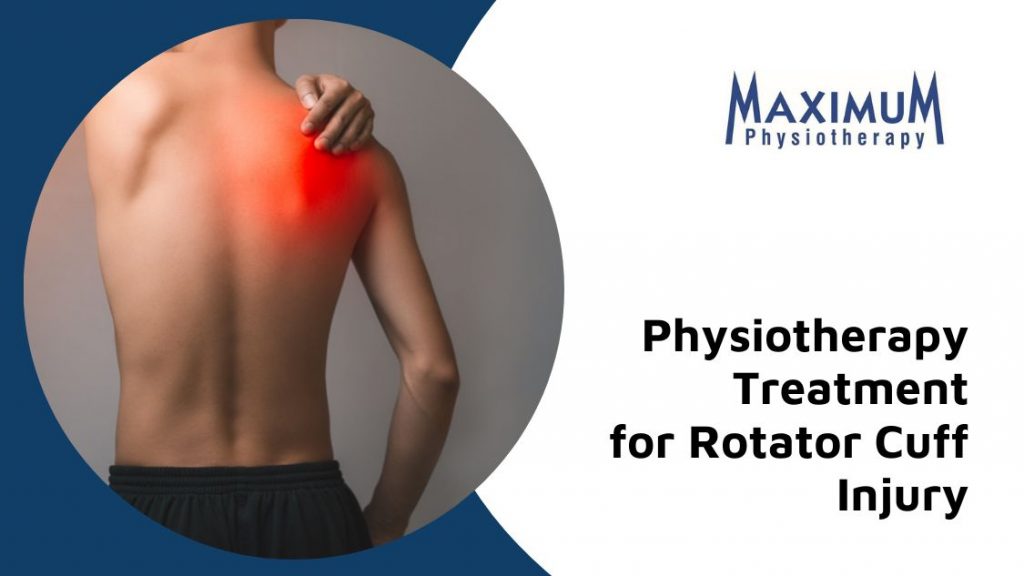
When it comes to painful injuries, the rotator cuff is right up there on the top end of the pain scale. It’s common for both athletes and sedentary people of any ages to injure their rotator cuff, and this kind of injury can be tough to recover from. Overhead activities like reaching or lifting can cause injury, often resulting in chronic pain.
Thankfully, there are various physio treatment options available as effective treatments. And your physiotherapist can develop a personalized treatment plan that will help restore comfortable movement.
Here are six excellent reasons why you ought to consider getting your pain relief kicked off with a local physiotherapist:
You Might Require a Corrective Workout Program
Depending upon the exact nature of your rotator cuff injury, you might need to follow a particular corrective exercise program. Your physiotherapist can assist you in recognizing your specific rotator cuff problem and establish an individualized exercise program to resolve it.
It’s worth keeping in mind that a corrective exercise program is distinct from a workout program designed to help you get back into your routine activities as soon as possible.
The latter kind of program can be helpful for discomfort management and enhancing your range of motion, however it won’t specifically target your rotator cuff injury. If you want to make sure your rotator cuff injury is treated appropriately, your physiotherapist will likely produce a corrective exercise program that’s customized for you.
You May Benefit From Manual Treatment for Pain Management
Among the important things that sets physiotherapy apart from other types of health care treatments is that it features a manual therapy element.
What this indicates is that a physiotherapist will likely utilize some kind of manual treatment for pain management, such as myofascial release (MFR) and joint mobilization. MFR is a massage-like procedure that can help to loosen tight muscles, decrease swelling and enhance flexibility.
Joint mobilization includes physiotherapists utilizing their hands to apply pressure to your joints. Manual treatment can be worthwhile for clients with rotator cuff injuries. Your rotator cuff muscles cross your shoulder joint, and can become irritated if they’re not working properly. Manual treatment can assist to alleviate your pain, improve your range of movement and help your muscles work more effectively.
You Could Get Relief From Dry Needling and/or Ultrasound Treatment
If your physiotherapist believes that dry needling or ultrasound therapy will be beneficial for your rotator cuff injury, they’ll likely provide these treatments during your sessions. Dry needling is a kind of acupuncture. Your physiotherapist will use extremely small needles to insert in your muscles.
Your physiotherapist might advise dry needling if they think your rotator cuff injury is triggered by or exacerbated by muscle knots. If they feel that ultrasound treatment will be effective, they’ll likely apply it to your muscles. Both dry needling and ultrasound therapy can be effective for treating rotator cuff discomfort. Dry needling can assist to break down muscle knots, and ultrasound can help to enhance blood flow to the injury site.
Conclusion
Rotator cuff injuries are frequently slow-healing and may need an extended period of treatment for full recovery. Fortunately, physiotherapy has a variety of treatments readily available that are shown to assist rotator cuff discomfort and promote recovery.
It is essential to begin treatment right after your injury. Extended use of an injured rotator cuff may intensify your discomfort and cause lasting damage to the muscles and ligaments surrounding your shoulder. Contact Maximum by Body ‘n Balance Physio to learn more about how physiotherapy can help relieve your rotator cuff pain.
Give Maximum by Body ‘n Balance Physio a call today and our team of therapists can start alleviating your rotator cuff discomfort. Now booking new clients!
Recent Comments