
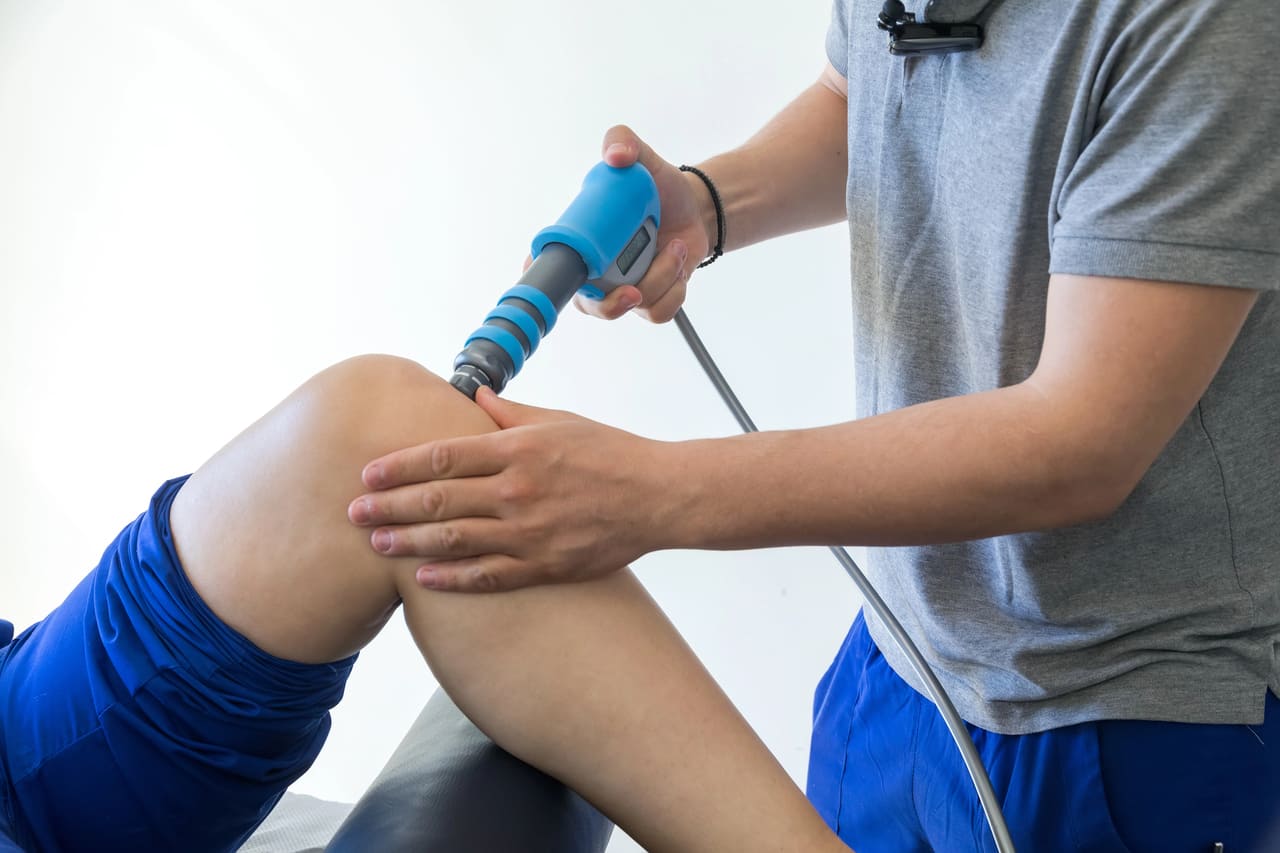
 Post-surgical recovery can be a challenging journey, and finding effective therapies to support this process is crucial for optimal outcomes. One emerging treatment gaining popularity is shockwave therapy, which utilizes acoustic waves to promote tissue repair and improve mobility. In this blog, we’ll explore the role of post-surgical shockwave therapy, its benefits, ideal timing, safety considerations, and what to expect during sessions, providing a comprehensive guide for individuals seeking enhanced recovery after surgery.
What Is Post-Surgical Shockwave Therapy And Why Is It Important?
Post-surgical shockwave therapy employs high-energy sound waves to stimulate tissue repair and accelerate recovery following surgery. This non-invasive technique is crucial for reducing pain, enhancing mobility, and minimizing scar tissue formation. Shockwave therapy can be integral to recovery, offering benefits such as reduced inflammation and improved circulation.
- Enhanced Circulation: Shockwave therapy increases blood flow to the affected area, promoting the delivery of nutrients essential for tissue repair.
- Pain Reduction: The therapy can decrease nerve sensitivity and block pain pathways, providing relief from post-operative discomfort.
- Scar Tissue Management: By breaking down adhesions and scar tissue, shockwave therapy helps maintain flexibility and function in the affected area.
- Accelerated Recovery: With improved circulation and reduced pain, individuals often experience a quicker return to normal activities.
- Non-Invasive Treatment: Unlike some surgical interventions, shockwave therapy is non-invasive, reducing the risk of complications and downtime.
- Versatility: This therapy can be adapted to various surgical procedures, making it a versatile option for many clients.
In summary, post-surgical shockwave therapy is a valuable tool in the recovery toolkit, offering significant benefits in pain management, mobility enhancement, and overall recovery.
Which Surgeries Benefit Most From Post-Surgical Shockwave Therapy?
Post-surgical shockwave therapy is particularly beneficial for surgeries involving musculoskeletal structures, such as orthopedic and sports-related procedures. Surgeries on joints, tendons, and bones often see improved outcomes with this therapy, thanks to its ability to enhance tissue repair and reduce inflammation.
| Orthopedic Surgeries | Procedures like joint replacements or repairs often benefit from shockwave therapy due to its effects on tissue repair and inflammation reduction. |
| Tendon Repairs | Individuals recovering from tendon surgeries, such as the Achilles or rotator cuff, can experience quicker recovery times and improved function. |
| Fracture Repairs | Shockwave therapy can aid in the repair of bone fractures by stimulating bone growth and reducing associated pain. |
| Spinal Surgeries | Post-surgical therapy can help manage pain and improve mobility in clients recovering from spinal operations. |
| Ligament Reconstructions | Surgeries like ACL reconstruction often benefit from shockwave therapy’s ability to promote tissue repair and mobility. |
| Soft Tissue Surgeries | Procedures involving soft tissues, such as liposuction or tumor excisions, can also see improved recovery with shockwave therapy. |
Overall, individuals recovering from orthopedic, tendon, and soft tissue surgeries can significantly benefit from the application of post-surgical shockwave therapy, enhancing recovery and function.
How Soon Should You Start Post-Surgical Shockwave Therapy?
Shockwave therapy should ideally begin after the initial post-surgical recovery phase, typically starting a few weeks post-operation, depending on the surgery and individual recovery progress. Starting too early may interfere with the natural recovery process, while delaying might prolong recovery time.
The timing for initiating shockwave therapy varies based on several factors, including the type of surgery, the individual’s overall health, and the body’s natural response to the procedure. Healthcare providers will assess these factors to determine the most appropriate start time. For example, an individual recovering from a joint replacement might begin therapy within three to four weeks post-surgery, while someone with a tendon repair might start earlier or later, depending on recovery progress. It’s crucial to follow professional advice to ensure the therapy is both safe and effective. Close monitoring during the initial sessions helps tailor the therapy to individual needs, adjusting intensity and frequency as required.
In short, the timing of starting post-surgical shockwave therapy is critical and should be personalized based on professional assessments and recovery progress, ensuring optimal benefits without compromising safety.
What Techniques Other Than Shockwave Therapy May Be Used In Post-Surgical Recovery?
Post-surgical recovery may involve various techniques beyond shockwave therapy, including physiotherapy, massage therapy, and others. These complementary therapies can provide a holistic approach to enhance recovery, addressing different aspects of recovery and well-being.
| Physiotherapy | Involves tailored exercises and movements designed to restore function, improve strength, and increase flexibility after surgery. |
| Massage Therapy | Helps alleviate muscle tension, reduce swelling, and promote relaxation, contributing to overall recovery. |
| Cold Therapy | Applying ice or cold packs can reduce swelling and numb the area, offering immediate pain relief. |
| Heat Therapy | Heat can improve circulation and relax muscles, making it useful in cases where stiffness is a concern. |
| Manual Therapy | A hands-on approach that involves manipulating muscles and joints to improve movement and reduce pain. |
In brief, combining shockwave therapy with these additional techniques can create a comprehensive recovery plan, addressing multiple facets of post-surgical rehabilitation.
Is Post-Surgical Shockwave Therapy Safe For All Types of Surgeries?
While post-surgical shockwave therapy is safe for many types of surgeries, it may not be suitable for all. The appropriateness depends on factors such as the type of surgery, the individual’s health status, and potential contraindications. Healthcare providers can determine suitability through careful assessment.
- Orthopedic Surgeries: Generally safe, especially for joint and bone procedures, due to its benefits in promoting tissue repair.
- Soft Tissue Surgeries: Often suitable, aiding in reducing scar tissue and improving mobility.
- Contraindications: Individuals with certain conditions, such as active infections or tumors, may need to avoid this therapy.
- Pregnancy Considerations: Pregnant individuals should consult healthcare providers before undergoing shockwave therapy.
- Device Sensitivity: Caution is required for individuals with implanted medical devices, as shockwave therapy could interfere with these components.
- Fragile Skin Conditions: Extra care is necessary for individuals with conditions that affect skin integrity to avoid further complications.
In summary, while shockwave therapy is generally safe, its application depends on individual circumstances. Professional assessment is crucial to ensure safety and efficacy.
How Long Does Post-Surgical Shockwave Therapy Usually Last?
The duration of post-surgical shockwave therapy varies based on the individual’s condition, type of surgery, and recovery goals. Typically, therapy sessions range from 20 to 30 minutes, with a series of sessions over several weeks. The frequency and length of the therapy plan are tailored to optimize recovery outcomes.
Most therapy plans involve multiple sessions, often starting with one or two sessions per week. As the individual progresses, the frequency may be adjusted based on their response to treatment and overall recovery. The total number of sessions can vary widely, from a few weeks to several months, depending on the complexity of the surgery and the individual’s response. Regular assessments by healthcare providers help determine the effectiveness of the therapy and any necessary adjustments. The goal is to provide enough sessions to achieve significant improvement in pain, mobility, and overall function.
In short, the duration and frequency of shockwave therapy are customized according to individual recovery needs, ensuring optimal support throughout the post-surgical rehabilitation process.
What Should You Expect During Your First Post-Surgical Shockwave Therapy Session?
During your first post-surgical shockwave therapy session, expect an initial evaluation followed by the application of the therapy to the affected area. The session typically includes discussing your medical history, setting treatment goals, and experiencing the sensation of the therapy, which may feel like pulsations on the skin.
- Initial Evaluation: The session begins with a discussion about your surgery, recovery progress, and therapy goals. This helps tailor the treatment to your specific needs.
- Treatment Area Preparation: The practitioner will identify the precise area for therapy and may apply a gel to improve the transmission of sound waves.
- Therapy Application: The device is placed on the skin, and you may feel a tapping or pulsing sensation as the shockwaves are delivered.
- Comfort Monitoring: Throughout the session, the practitioner will check for any discomfort and adjust settings to ensure a comfortable experience.
- Duration: Each session typically lasts between 20 to 30 minutes, depending on the treatment area and individual needs.
- Post-Treatment Discussion: After the session, the practitioner may discuss immediate effects and any necessary follow-up or home care instructions.
To sum up, during your first session, expect an evaluation, the application of therapy, and a focus on comfort and tailored treatment planning to support your recovery journey.
Pain is No Longer in Control
The role of post-surgical shockwave therapy in recovery is significant, offering a non-invasive way to manage pain, enhance mobility, and support tissue repair. By integrating this therapy into post-surgical care, individuals can experience a smoother and quicker recovery process.
For those seeking personalized support, Maximum by Body ‘n Balance Physio in Collingwood can provide tailored solutions to meet recovery goals. Our dedicated team is ready to assist with customized therapy plans to help you regain strength and function effectively. Contact us today to get started!
Frequently Asked Questions
Can Shockwave Therapy Be Used For Non-Surgical Conditions?
Yes, shockwave therapy is also effective for a variety of non-surgical conditions, including chronic tendinitis, plantar fasciitis, and calcific shoulder tendinopathy. It helps in reducing pain and promoting tissue recovery in these scenarios.
What Are The Side Effects Of Shockwave Therapy?
Common side effects are usually mild and may include temporary redness, swelling, or bruising in the treated area. These effects typically resolve within a few days and do not require intervention.
How Does Shockwave Therapy Work?
Shockwave therapy uses high-energy sound waves to stimulate blood flow, promote tissue repair, and reduce pain. The waves interact with the tissues, enhancing cellular activity and encouraging natural repair processes.
Is Shockwave Therapy Painful?
Most individuals report feeling a tapping or pulsating sensation, which can be slightly uncomfortable but not painful. Practitioners can adjust the intensity to ensure client comfort during the session.
Recent Comments