
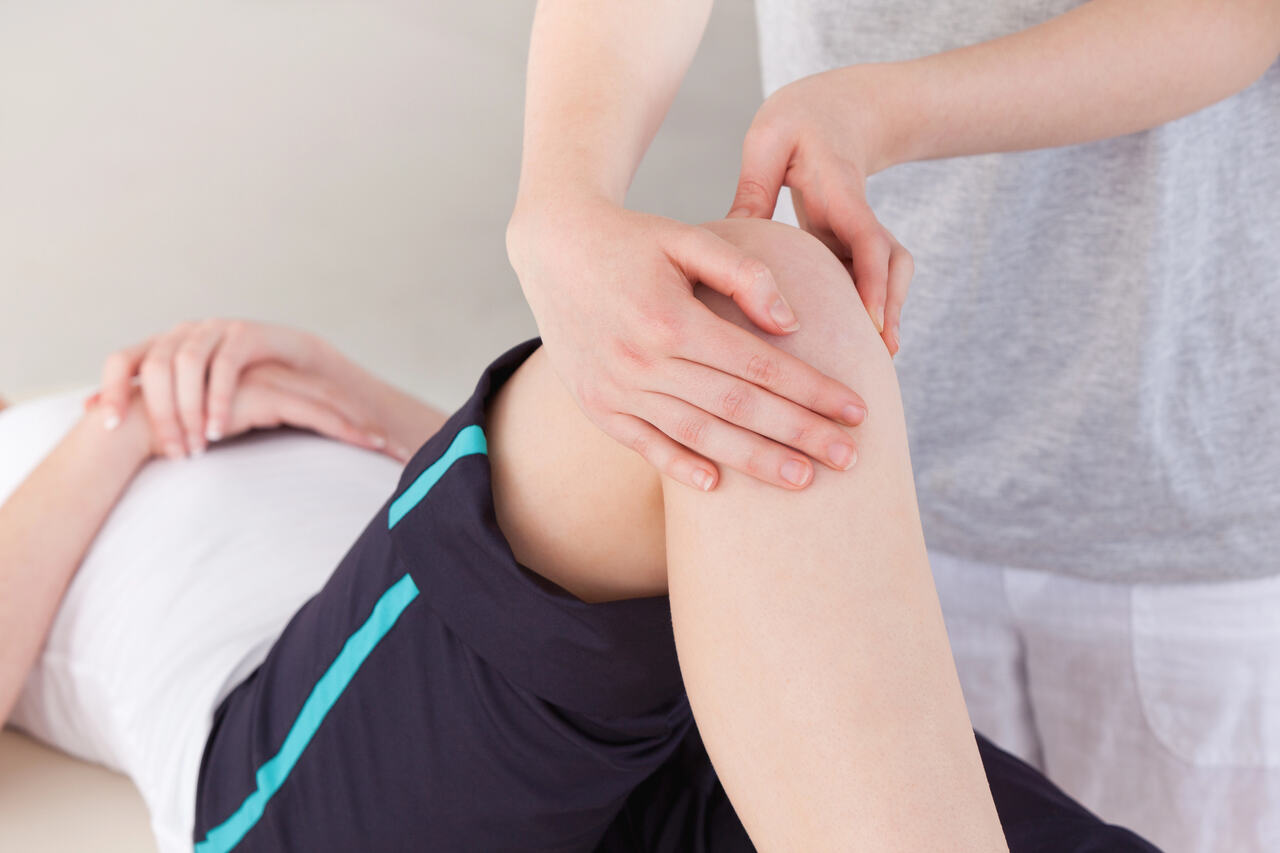
Recovering from ACL surgery is a long and challenging journey, but with the right rehabilitation plan, you can return to your active lifestyle stronger than ever. Athletic therapy plays a vital role in helping individuals recover from ACL injuries by focusing on rebuilding strength, improving mobility, and preventing future injuries. Whether you’re an athlete aiming to get back on the field or someone looking to regain full knee function, athletic therapy provides targeted rehabilitation that speeds up recovery and supports a safe return to physical activity.
Understanding Athletic Therapy
Athletic therapy is a specialized form of physical rehabilitation that focuses on preventing, treating, and rehabilitating musculoskeletal injuries, particularly those related to physical activity and sports. Certified athletic therapists are trained to provide hands-on treatment and design exercise programs that target specific injuries, helping individuals recover and return to their regular activities or sports.
Unlike general physiotherapy, athletic therapy is often more focused on getting individuals back to an active lifestyle, emphasizing strength, balance, and agility. This is especially critical for athletes or active individuals recovering from injuries like ACL tears, where regaining full function and preventing future injury is paramount.
Benefits of Athletic Therapy After ACL Surgery
Recovering from ACL surgery is a process that requires targeted rehabilitation to ensure that the knee heals properly and regains full function. Athletic therapy offers several key benefits for individuals recovering from ACL surgery:
- Improved Strength and Stability: After ACL surgery, the muscles around the knee, particularly the quadriceps and hamstrings, tend to weaken due to inactivity. Athletic therapy focuses on strengthening these muscles to support the knee joint and restore stability.
- Faster Return to Activity: For athletes and active individuals, returning to sports or regular physical activities is a primary goal. Athletic therapy emphasizes sport-specific movements and exercises that simulate real-life activities, helping people transition back to their active lifestyles safely and effectively.
- Reduced Risk of Re-Injury: One of the greatest concerns after ACL surgery is the risk of re-injury, especially for those returning to high-impact sports. Athletic therapy focuses on strengthening not only the knee but also the surrounding muscles, as well as improving balance and agility, which can help reduce the risk of future injuries.
- Enhanced Range of Motion: Post-surgery stiffness can limit knee mobility, making it difficult to perform daily tasks or engage in sports. Athletic therapy includes targeted stretching and mobility exercises to restore the full range of motion in the knee joint.
- Improved Confidence in Movement: Fear of re-injury can hold people back from fully engaging in activities. Through controlled, progressive exercises, athletic therapy helps athletes regain trust in their knee’s ability to perform, allowing them to move with confidence.
When Should I Start Athletic Therapy Following ACL Surgery?
Starting athletic therapy at the right time following ACL surgery is essential for a smooth and effective recovery. Rehabilitation usually begins immediately after surgery, with gentle exercises aimed at reducing swelling, managing pain, and encouraging early mobility. Athletic therapy, which is tailored to support recovery from the initial inflammatory phase through to a full return to sport, is incorporated progressively based on your recovery.
Here’s a general timeline for starting athletic therapy:
- Initial Phase (1-2 weeks post-surgery): Right after surgery, the focus is on managing pain and swelling. During this period, therapy primarily includes basic range-of-motion exercises, gentle stretching, and non-weight-bearing activities.
- Intermediate Phase (4-6 weeks post-surgery): As you regain mobility and strength, athletic therapy becomes more active, with a gradual introduction of weight-bearing exercises. Guided by your therapist, these exercises help to build strength around the knee in a controlled way.
- Advanced Phase (3-6 months post-surgery): By this stage, athletic therapy emphasizes readiness for sport-specific activities and higher-level physical demands. Exercises may include sport-specific drills, strength training, balance exercises, and plyometrics to support your return to an active lifestyle.
Working closely with your healthcare team to determine the right time to advance in athletic therapy is essential to avoid setbacks and optimize your recovery.
Athletic Therapy for ACL Recovery: The Role of Exercise
Athletic therapy for ACL recovery includes a range of exercises designed to restore strength, flexibility, and coordination. The program is typically tailored to your individual needs and may evolve as you progress. Here are some common types of exercises included in an ACL recovery program:
- Range of Motion Exercises: Early in the recovery process, it’s essential to restore knee mobility. Exercises like heel slides, where you slowly slide your heel toward your body while lying down, and stationary cycling (without resistance) are often recommended to improve flexibility without putting too much strain on the knee.
- Strengthening Exercises: Strengthening the muscles around the knee, especially the quadriceps, hamstrings, and calves, is critical. Exercises such as leg presses, step-ups, and hamstring curls can help build strength gradually. Resistance bands and bodyweight exercises are also commonly used to target muscle groups without overloading the knee.
- Balance and Proprioception Exercises: Regaining balance and proprioception (your body’s sense of position) is crucial for preventing re-injury. Exercises like standing on one leg, using a balance board, or performing side-to-side movements help improve stability and coordination.
- Plyometric and Agility Drills: As you advance in your recovery, more dynamic exercises such as jumping, lateral hops, and agility ladder drills are introduced to prepare you for the demands of sports or physical activities. These exercises simulate real-life movements and improve your knee’s ability to handle high-impact activities.
- Sport-Specific Drills: For athletes, returning to the field or court requires more than just strength and balance. Athletic therapy includes sport-specific drills like cutting, pivoting, and sprinting, which are critical for preparing the body for the specific demands of the sport.
How Long Does It Take to Recover with Athletic Therapy After ACL Surgery?
The recovery timeline for ACL surgery varies from person to person, but athletic therapy plays a significant role in optimizing this process. On average, full recovery from ACL surgery with a structured athletic therapy program can take anywhere from six months to a year, depending on several factors including the severity of the injury, the type of surgery, and individual response to rehabilitation.
The early stages of recovery focus on reducing swelling, restoring range of motion, and initiating gentle strength-building exercises. By the three-month mark, many people are engaging in more advanced strengthening and balance exercises. Between six and nine months post-surgery, most individuals are transitioning to sport-specific drills and higher-impact activities.
It’s important to note that although you may feel better before the six-month mark, returning to high-intensity sports too early can increase the risk of re-injury. Patience and consistency are key. Athletic therapists work closely with you to ensure that your recovery progresses safely and that your knee is fully prepared for the demands of your chosen sport or physical activity.
Recovering From ACL Surgery: Athletic Therapy vs. Physiotherapy
Both athletic therapy and physiotherapy are valuable in recovering from ACL surgery, and your choice between them depends on your recovery goals and activity level.
Physiotherapy primarily focuses on restoring foundational mobility and function, managing pain, and addressing immediate post-surgical needs. It is often ideal for those aiming to regain basic daily function or those without specific athletic goals. Physiotherapy is beneficial in the early stages of recovery to help manage inflammation, promote movement, and build a foundation for rehabilitation.
Athletic Therapy, however, supports recovery from the initial stages right through to a full return to physical activity. Athletic therapists are equipped to guide you from the inflammatory phase of healing to a full return to sports or an active lifestyle, focusing on exercises that develop strength, agility, and sport-specific skills. If your goal is to return to competitive sports or other physically demanding activities, athletic therapy is a great option from the beginning, adapting as your recovery progresses.
Many people benefit from a combination of both therapies. Starting with athletic therapy or physiotherapy, based on your goals, and transitioning as your needs evolve provides a well-rounded and comprehensive rehabilitation approach.
Recovering After ACL Surgery: Lifestyle Changes and Training Adjustments for Athletes
Recovering from ACL surgery requires more than just showing up for your athletic therapy sessions. Making key lifestyle changes and training adjustments can accelerate your recovery and improve your overall outcome.
- Commit to a Structured Rehabilitation Plan: Consistency is crucial for a successful recovery. Sticking to the rehabilitation exercises prescribed by your athletic therapist ensures that you build strength and flexibility progressively without overloading your knee.
- Focus on Nutrition: A well-balanced diet plays an important role in recovery. Ensure you’re consuming enough protein to support muscle repair and include anti-inflammatory foods such as leafy greens, berries, and omega-3-rich fish to help reduce swelling and promote healing.
- Prioritize Rest and Recovery: Overtraining can hinder your progress. It’s essential to allow your body ample time to rest, recover, and heal. Incorporate recovery techniques like sleep optimization, stretching, and possibly even therapeutic modalities such as massage or cold therapy to manage soreness and inflammation.
- Strengthen the Entire Body: While your primary focus is on recovering your knee, strengthening your entire body—particularly your core, hips, and the muscles of the non-injured leg—is critical. This helps distribute the physical load more evenly, preventing compensatory movements that can lead to new injuries.
- Train Smart: Once you’re able to resume physical activities, it’s essential to modify your training to reduce the risk of re-injury. Work with your athletic therapist to adjust your training intensity, incorporating proper warm-ups, mobility drills, and dynamic stretching to ensure your body is fully prepared for movement. Avoid high-impact or risky movements until your knee is fully rehabilitated.
- Mental Focus: The psychological aspect of recovery is often overlooked but is equally important. Many athletes struggle with the fear of re-injury, which can hold them back during the recovery process. Working on your mental resilience and confidence through visualization techniques or counselling can help you overcome these mental barriers and make a more successful return to your sport.
By incorporating these lifestyle changes and adjustments into your daily routine, you can support a faster and safer recovery, ensuring that you return to your sport in peak condition.
Your Partner in Healing
Recovering from ACL surgery requires a comprehensive approach that goes beyond just the surgery itself. With the expertise of athletic therapists, you can regain your strength, confidence, and mobility, preparing yourself to return to the activities you love without fear of re-injury.
At Maximum by Body ‘n Balance Physio in Collingwood, our experienced team is dedicated to supporting your recovery journey with personalized athletic therapy programs designed for your specific needs. Contact us today to start your path to recovery and return to your active lifestyle with confidence!
Recent Comments