Achilles tendonitis is an uncomfortable condition that afflicts the Achilles tendon, which attaches the calf muscles to the heel. It’s triggered by overuse and repetitive stress on the tendon and is really incapacitating, preventing some everyday activities and negatively affecting your quality of life.
Luckily, physical rehabilitation is a successful treatment method for this ailment. Physiotherapists use a wide range of strategies to minimize swelling and discomfort, improve flexibility and strength, and enhance the muscle mass surrounding the affected area.
This post will explain exactly how physical rehabilitation can help treat Achilles tendonitis and also offer some suggestions on just how to get the most from your therapy.
What is Achilles Tendonitis?
As was mentioned above, Achilles tendonitis is an uncomfortable problem affecting the tendon that attaches the upper leg muscle to the heel. Tendonitis is triggered by repeatedly straining a tendon and is very restricting. Common symptoms of Achilles tendonitis include pain as well as tightness behind the lower leg, swelling, inflammation, and trouble walking or running.
If left without treatment, Achilles tendonitis can bring about further injury to the tendon tissue including tendon rupture. While the majority of incidents of Achilles tendonitis will ultimately heal on their own, the healing process may be considerably improved by a visit to a physiotherapist.
Causes of Achilles Tendonitis
Achilles tendonitis is caused by too much use or recurring stress of the Achilles tendon. This can occur from actions such as running, jumping, and sporting activities that require these activities. The majority of athletes will most likely experience Achilles tendonitis at some point during their lives.
Achilles tendonitis can likewise be triggered by wearing shoes that do not deliver adequate reinforcement to the feet, or by having weak calf muscles. Likewise, individuals who have pronated ankles are more prone to suffer from Achilles tendonitis because of the enhanced tension on the tendon during weight bearing activities.
Benefits of Physiotherapy for Achilles Tendonitis
Physiotherapy offers numerous important advantages to victims of Achilles tendonitis. Physical rehabilitation lessens pain and swelling in the muscle mass by stimulating blood flow to the affected area and also loosening up the stress that the muscle tissues and tendon are experiencing.
Physical rehabilitation also helps to boost mobility and also increase a patient’s range of activity as the tendon is recovering. Lastly, physical rehabilitation serves to help to strengthen the muscle and tendon, preventing re-injury to the tendon.
What’s more, physiotherapists can analyze the problem and produce a customized rehabilitation program to help reduce your discomfort and enhance tendon and muscle capability.
Types of Physical Rehabilitation Treatments for Achilles Tendonitis
After an initial assessment, the first step in treating Achilles tendonitis through physical rehabilitation is to minimize pain as control inflammation. This can be done through heat treatment, ultrasound, and electrical stimulation. After the pain has been minimized, stretching and strengthening movements can be used to boost the mobility and strength of the Achilles tendon.
Physiotherapists also use a selection of methods such as stretching/strengthening exercises, soft tissure release, ultrasound treatment, ice/heat therapy, electrical stimulation (TENS), and bracing/taping to treat this problem.
Soft tissue release treatment helps in reducing stress in strained muscle tissues while ultrasound therapy helps to increase blood flow. Ice/heat therapy can additionally be used for pain and circulation, while electrical stimulation helps to relax muscles. Bracing/taping can also supply reinforcement for damaged tendons.
Tips for Getting the Best Results Out of Physiotherapy
Follow these pointers to get the most out of your physiotherapy :
Choose a physiotherapist that you gel with. Your physiotherapist needs to be well-experienced and knowledgeable in the therapy of Achilles tendonitis and various other injuries.
Follow your physiotherapist’s guidance and do every one of the suggested exercises. While some exercises may be temporarily uncomfortable, they help to strengthen your muscle tissues to prevent more damage.
When engaging in tasks that might trigger pressure on the Achilles tendon, wear fitting footwear that provides plenty of support. Inadequate foot support is a contributing factor to Achilles tendonitis and similar injuries. Some sufferers find that custom footwear improves their symptoms.
An exercise routine of strengthening and stretching exercises needs to be carried out frequently to preserve flexibility and strength in the upper leg muscle tissues.
Finally, icing or heat treatment can be used to reduce pain after workouts.
By following these pointers, you can make sure that you’re getting the best results out of your physiotherapy.
Recap
Physiotherapy is a beneficial therapy for Achilles tendonitis, providing pain relief, enhanced mobility and range of motion, and building up the strength of the muscle tissues surrounding the affected area. Physiotherapists make use of a range of techniques such as stretching workouts, soft tissue release therapy, ultrasound treatment, ice/heat treatment, electrical stimulation, and bracing/taping to treat this condition.
To get the best results out of physiotherapy treatment for Achilles tendonitis, it is important to locate a physiotherapist that you are comfortable with and follow their instructions.
Additionally, supporting footwear really should be used during activities that might trigger stress on the Achilles tendon, and flexing and building up exercises should be done on a regular basis. Finally, icing or heat therapy can be made use of to minimize pain and inflammation after activity.
Give the experienced team of wonderful people at Maximum by Body ‘n Balance Physio a phone call and allow our experienced staff of physiotherapists help ease your Achilles tendonitis discomfort and pain. We’re currently taking on new clients, so call right away.
When it comes to physiotherapy, most folks ordinarily think of ice bags, heated towels, stretching exercises and power-building routines.
Yet physiotherapists employ a wide range of treatment methods to help clients recuperate from injuries or surgery, manage chronic problems, minimize pain and avoid future issues. And one of the most effective of these treatment options is dry needling.
Surprised? You shouldn’t be. Dry needling is a typical procedure used by physiotherapists to help minimize pain, improve range of movement, and speed up the recovery process after an injury.
Regularly done with acupuncture, dry needling is a modern hands-on stimulation procedure that’s also utilized to release strain in significantly taut muscles, break up snarls of muscle fibers, and decrease discomfort and inflammation.
Regardless of what you call it, dry needling is a worthwhile treatment for anyone who’s recovering from an injury.
In this article, we’ll discover what dry needling is, a few typical applications for it, and seven health benefits you’ll enjoy from being treated with this method after surgical treatment or as one part of your rehabilitation from an injury.
What is Dry Needling?
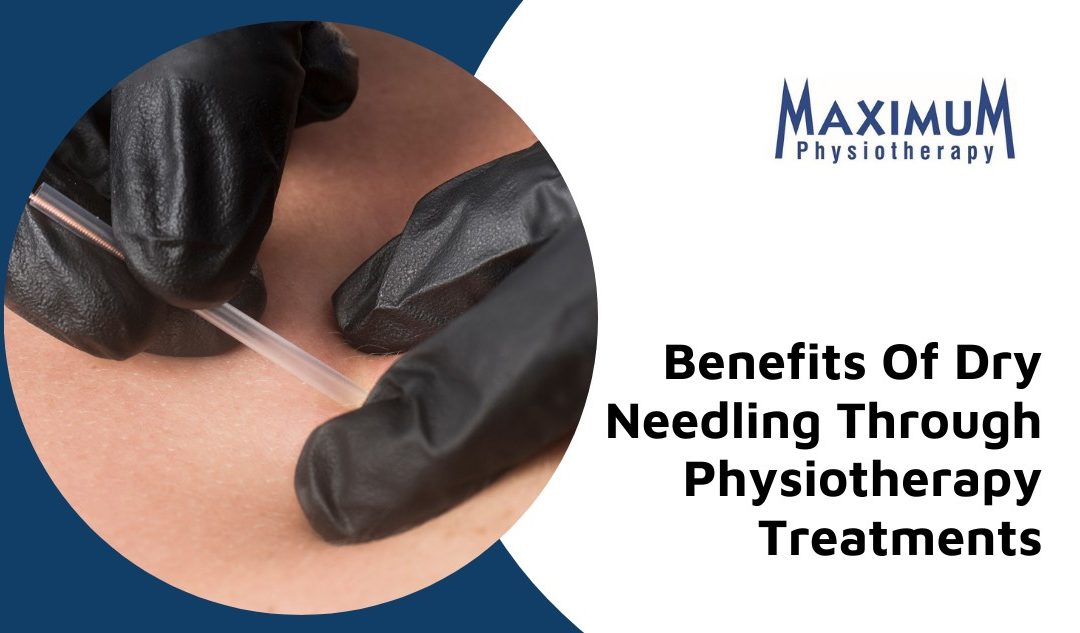
Dry needling, also referred to as IMS Therapy, is a manual stimulation technique that’s carried out by inserting ultra-tiny needles into tight or irritated muscles. The needle is then physically rotated to disperse muscle tissues and stimulate the nearby connective tissues and nerves, which helps lessen discomfort, improve blood flow and promote recovery.
Dry needling is different from acupuncture in a couple of ways. To start with, acupuncture needles are positioned in your skin and aren’t inserted into the muscle (like dry needling).
Secondly, acupuncture is typically performed by leaving the needle in place for several minutes, while dry needling is a more dynamic technique, as the needle is moved around the muscle.
Frequent Uses for Dry Needling
Dry needling is a very flexible treatment option, and many clients can benefit from it, even though they are not recovering from surgical treatment or an accident. A few common uses for dry needling consist of:
Sharp and Chronic Pain: Dry needling is exceptionally successful at reducing severe and chronic muscle discomfort.
Muscle Stress and Tension: If you suffer from muscle tension, dry needling can really help relax your muscle tissues and minimize tension
Nerve Complications: Dry needling can help stimulate nerves that are pressed or compressed due to an injury or chronic disorder, including sciatica.
7 Health Benefits of Dry Needling:
Benefit #1: Decreased Swelling and Pain
When you hurt a muscle, your body reacts by raising blood flow to the injured area and infusing it with white blood cells. This process is called inflammation, and it’s a normal component of the recovery process.
Regrettably, excessive swelling and inflammation may cause elevated pain and slow down the recovery process. Dry needling can help in controlling inflammation, lower your discomfort levels and shorten your healing period.
When your therapist performs the treatment, she or he will insert the needle into the irritated muscle tissue and manually rotate it to break up the tightly contracted muscle strands. This stimulation triggers your body’s natural healing process and activates your muscles’ proprioceptors, which help loosen your muscle tissues and decrease your pain.
Benefit #2: More Rapid Healing Process
Whenever you damage your muscle tissues, nerves and connective tissues, they’re often left with adhesions and scars, which can place excessive tension on your healthy tissues and joints. Dry needling is an outstanding treatment method for dispersing these adhesions, which can help relieve stress in your joints and promotes blood circulation through your body, speeding up the therapeutic process.
Benefit #3: Improved Range of Motion
After a muscle tissue or joint injury, you may encounter limited range of movement, which can make it challenging to move and perform daily activities. Dry needling can help in reducing the tension in your muscle tissues and the scar tissue in your joints, which can help enhance your range of motion, minimize tightness and make it easier to move around.
Your physiotherapist will place the needles into the constricted muscle fibers and physically turn them to break up scar tissues and loosen your muscles. This will help you experience less pain and have more flexibility in your joints.
Benefit #4: Increased Mobility and Strength
Dry needling can help improve your mobility and strength, even if you do not have a muscle or joint injury. Any time you carry out a workout, your muscle tissues constrict and produce lactic acid, which can cause muscle soreness and lessen your strength with time.
Dry needling can help remove some of that lactic acid and minimize muscle pain, which will enable you to build more strength and carry out everyday activities with less tiredness and pain.
Benefit #5: Decreased Threat of Reinjury and Worsening Conditions
Injuries are common, however they can be significantly decreased when you work with a physiotherapist. Physiotherapists employ an assortment of treatment techniques–including dry needling–to help your muscles recover their vigor and strength.
By triggering the body’s natural process of recovery and inflammation, dry needling helps shield you from re-injury and serves to prevent chronic conditions from becoming worse.
Benefit #6: Relieved Muscle Spasms and Tension
If you have to deal with chronic muscle stress and spasms, dry needling can help alleviate the pain and tightness you feel. Your therapist will place the needle into the hypertonic muscle tissues and manually turn it to release the stress. Your physiotherapist may also apply slight pressure and stretch your muscles, which can help alleviate your spasms and pain.
Benefit #7: Decreased Chronic Pain
If you struggle with long-term discomfort, dry needling can help in reducing your pain and make it easier to handle your condition. Regular visits to your physiotherapist for dry needling will keep dispersing adhesions and improving blood flow to your painful tissues and muscles. This helps reduce long-term discomfort and makes it easier to move around and perform everyday activities.
Wrap Up
When carried out by a trained physiotherapist, dry needling is an extremely successful treatment for anybody who is recovering from a muscle injury or experiencing recurring pain. It is especially effective at lessening discomfort, increasing blood circulation and promoting recovery, reducing muscle and joint spasms and tension, and improving range of motion and flexibility.
As a result, you’ll recuperate more quickly, prevent re-injuries and appreciate an overall higher quality of living. Contact your local physiotherapist for additional information about how dry needling can help you.
Contact the experienced health professionals at Maximum Physiotherapy right away and we can begin relieving your pain. Now scheduling new clients!
Neck pain is among the most common conditions that individuals experience.
According to the Arthritis Foundation, virtually 70 percent of people will experience neck discomfort at some point in their lifetime.
Whether you’re a white-collar worker that puts in numerous hours a day stooped over a computer or desk or a jock who frequently has tense muscle tissues from activity or sports, anyone can be vulnerable to developing neck muscle discomfort every now and then.
Nevertheless, with the assistance of a physiotherapist, you can get your neck pain under control at last. With numerous different kinds of physical rehabilitation treatments for neck discomfort readily available, it is essential to realize which therapies are an effective treatment for your unique condition.
Below we have laid out five different techniques to help you get the best out of a physiotherapy session.
To Start With, Ask Questions
When you meet with your physiotherapist to help you receive the most out of your session, inquire about the therapy strategy you’ll be getting, as well as the frequency and duration that you’ll be expected to carry on with treatment.
In addition, make certain to ask about any side effects that can take place from the different treatments, in addition to what to do if there are any complications.
By asking these questions in advance, you can steer clear of any kind of misconceptions or shocks later on as well as make sure that you’re receiving the best therapy available for your needs.
It’s also a smart idea to find out what to anticipate during your treatment. If you’re being given myofacial release, for example, you should understand the level of pressure that your physiotherapist is likely to utilize. Generally speaking, you ought to feel some pressure throughout your treatment, but it should not be extremely painful.
Stretching Exercises With a Physiotherapist
There are many different types of physiotherapy therapies for neck pain relief, and one of the most effective is stretching exercises. This sort of physiotherapy treatment really helps to warm up your muscles, while improving your flexibility and overall range of motion.
While it’s not a therapy that can be done once, stretching exercises are created to be a lasting remedy to your neck discomfort. You can perform these workouts at home, or your physiotherapist can suggest particular exercises that you can do while you’re at work or on the move.
If you’re battling neck pain because of bad posture, exercise programs can help fix your posture while likewise improving your general health. By carrying out these workouts on a regular basis, you can really help avoid future bouts of neck discomfort and additionally boost your quality of living.
Heat and Ice Treatment
While ice and heat therapy can be very helpful for a large range of injuries, they are particularly valuable for treating neck pain. Depending upon what you are experiencing your physiotherapist might suggest that you use heat or cold. For example, if pain is your main complaint, applying ice can temporarily numb the skin, providing relief.
Typically, heat has longer benefits, since it increases blood flow and circulation in the area it is applied, thereby enhancing healing.
Some clients with persistent pain discover that rotating in between heat and cold treatment at various intervals helps to keep their pain from intensifying. It is vital to consult with your physiotherapist concerning the benefits of each type of treatment and when to make use of one most effectively.
Ultrasound or Electrical Current Treatment
If you have been struggling with chronic pain for a prolonged time period, your physiotherapist might suggest that you try electrical current. This sort of treatment uses electrodes to deliver low-voltage electric currents through your muscles, which can help to enhance circulation and decrease pain.
Depending upon your specific pain and where it is located, your physiotherapist might attach the electrode pads on your back or your neck. By utilizing these therapies over a long time period, you can help to avoid future pain in your neck and boost your general wellness.
Acupuncture
As you’re coping with neck discomfort, acupuncture can help in reducing tension and pain in your muscles and also increase your blood flow. While acupuncture is more frequently utilized for recurring discomfort, it can also be utilized for more short-lived discomfort.
Acupuncture therapies can be used for all kinds of pain. Before attempting these treatments, it is crucial that your physiotherapist identify what kind of neck discomfort you have, so that you can find the most ideal treatment together.
Summary
Ongoing neck discomfort can be devastating, but thankfully there are several types of physical rehabilitation therapies available that can eliminate your discomfort. By talking to a physiotherapist and discussing your pain, they can endorse a therapy plan that’s right for your symptoms.
Depending upon the kind of pain that you’re dealing with, your physiotherapist can recommend therapies such as execise programs, heat and ice therapy, acupuncture, electrical current, or ultrasound therapies. With the help of a physiotherapist, you can ultimately put an end to your neck discomfort once and for all.
Contact Maximum by Body ‘n Balance Physio today and we can start alleviating your neck pain and improving your quality of life. Now scheduling new appointments!
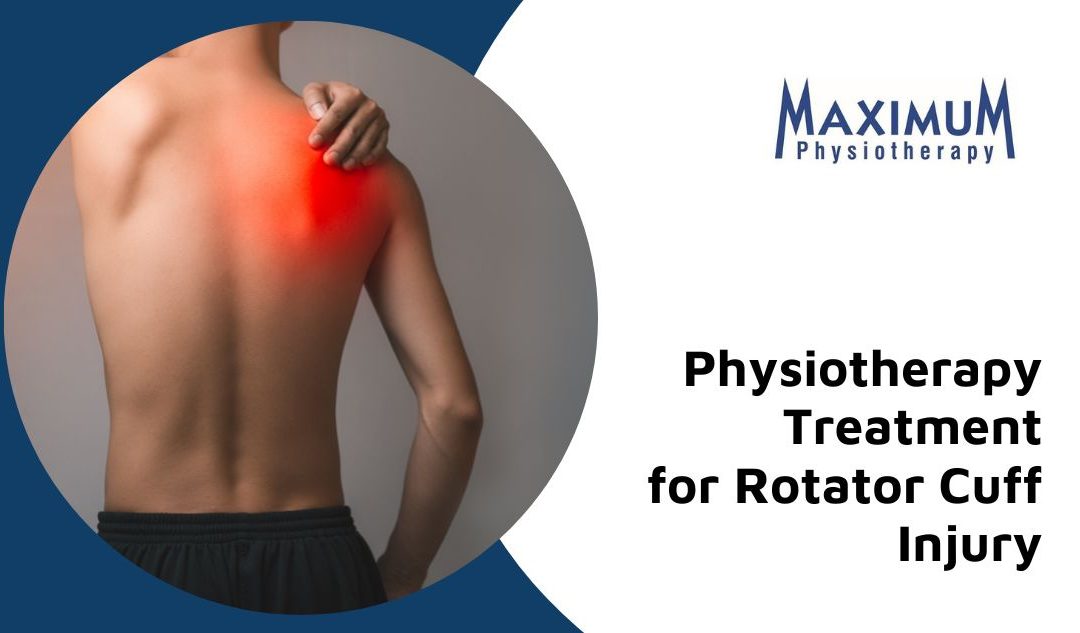
When it comes to painful injuries, the rotator cuff is right up there on the top end of the pain scale. It’s common for both athletes and sedentary people of any ages to injure their rotator cuff, and this kind of injury can be tough to recover from. Overhead activities like reaching or lifting can cause injury, often resulting in chronic pain.
Thankfully, there are various physio treatment options available as effective treatments. And your physiotherapist can develop a personalized treatment plan that will help restore comfortable movement.
Here are six excellent reasons why you ought to consider getting your pain relief kicked off with a local physiotherapist:
You Might Require a Corrective Workout Program
Depending upon the exact nature of your rotator cuff injury, you might need to follow a particular corrective exercise program. Your physiotherapist can assist you in recognizing your specific rotator cuff problem and establish an individualized exercise program to resolve it.
It’s worth keeping in mind that a corrective exercise program is distinct from a workout program designed to help you get back into your routine activities as soon as possible.
The latter kind of program can be helpful for discomfort management and enhancing your range of motion, however it won’t specifically target your rotator cuff injury. If you want to make sure your rotator cuff injury is treated appropriately, your physiotherapist will likely produce a corrective exercise program that’s customized for you.
You May Benefit From Manual Treatment for Pain Management
Among the important things that sets physiotherapy apart from other types of health care treatments is that it features a manual therapy element.
What this indicates is that a physiotherapist will likely utilize some kind of manual treatment for pain management, such as myofascial release (MFR) and joint mobilization. MFR is a massage-like procedure that can help to loosen tight muscles, decrease swelling and enhance flexibility.
Joint mobilization includes physiotherapists utilizing their hands to apply pressure to your joints. Manual treatment can be worthwhile for clients with rotator cuff injuries. Your rotator cuff muscles cross your shoulder joint, and can become irritated if they’re not working properly. Manual treatment can assist to alleviate your pain, improve your range of movement and help your muscles work more effectively.
You Could Get Relief From Dry Needling and/or Ultrasound Treatment
If your physiotherapist believes that dry needling or ultrasound therapy will be beneficial for your rotator cuff injury, they’ll likely provide these treatments during your sessions. Dry needling is a kind of acupuncture. Your physiotherapist will use extremely small needles to insert in your muscles.
Your physiotherapist might advise dry needling if they think your rotator cuff injury is triggered by or exacerbated by muscle knots. If they feel that ultrasound treatment will be effective, they’ll likely apply it to your muscles. Both dry needling and ultrasound therapy can be effective for treating rotator cuff discomfort. Dry needling can assist to break down muscle knots, and ultrasound can help to enhance blood flow to the injury site.
Conclusion
Rotator cuff injuries are frequently slow-healing and may need an extended period of treatment for full recovery. Fortunately, physiotherapy has a variety of treatments readily available that are shown to assist rotator cuff discomfort and promote recovery.
It is essential to begin treatment right after your injury. Extended use of an injured rotator cuff may intensify your discomfort and cause lasting damage to the muscles and ligaments surrounding your shoulder. Contact Maximum by Body ‘n Balance Physio to learn more about how physiotherapy can help relieve your rotator cuff pain.
Give Maximum by Body ‘n Balance Physio a call today and our team of therapists can start alleviating your rotator cuff discomfort. Now booking new clients!
Most people experience shoulder discomfort at some point in their lives; it affects between 80 and 90 percent of all men and women.
Fortunately, shoulder pain isn’t something that suddenly appears out of nowhere; its causes are typically widely known and often relate to pinched nerves, overused muscles, or an abnormality of the bones in your shoulder joint.
Pain in the shoulder can be relieved in many ways.
Physiotherapy is one of the most common and natural methods to treat shoulder pain, but not everybody understands how it works or what they need to do to begin.
Our goal in this article is to provide you with a better understanding of what physiotherapy is and how effectively it can help you with your shoulder pain.
What is Physiotherapy?
Physiotherapy uses a holistic approach that focuses on the treatment and recovery of musculoskeletal conditions. Musculoskeletal conditions are mainly caused by tissue damage, swelling, or both.
Physiotherapy works by re-educating your nerve system, muscles, and connective tissues to alleviate discomfort and improve motion.
Once your nerve system and muscles get the message that discomfort is no longer an element, they can communicate more effectively and move with less disturbance from the brain.
Physiotherapy can likewise help ease discomfort triggered by conditions like low back stress, neck stress, shoulder stress, and other conditions that affect the musculoskeletal system.
How Does Physiotherapy Work?
Physiotherapy is a very personalized treatment approach that uses adjustment, muscle energy methods, and movement re-education to treat conditions like low back pain, neck pain, and shoulder discomfort.
The physical therapist will work with you one-on-one to evaluate your discomfort, range of motion, flexibility, and other signs and symptoms. They may then use a mix of manual therapy, electrotherapy, exercise and other treatments to help relieve your discomfort and restore movement.
While there is not just one way to eliminate shoulder pain with physiotherapy, you’ll more than likely see a physiotherapist near you with proficiency in the treatment of conditions that impact the musculoskeletal system.
Physiotherapy Treatments For Shoulder Injury
Physiotherapy treatments for your shoulder pain will depend on the condition you’re experiencing and what is causing your signs and symptoms. Treatments might involve:
Manual therapy – Manual treatments involve the physiotherapist manually re-aligning your muscles and ligaments, removing knots, and restoring them to their correct positions so that they’re not under undue stress or tension.
Strengthening exercises – These exercises focus on strengthening the specific muscles that are impacted by shoulder pain. Strength can be built up by direct contact with the resistance, by using weights, resistance bands, or by using your own body weight. Exercises that reinforce your agonist muscles, which trigger your discomfort, decrease pain, and increase strength.
Stretching exercises – Stretching is essential to prevent injury and improve mobility. Stretching routines can be done actively or passively. Progressing your workouts should be done routinely to improve your range of motion and avoid injury.
Active Rest – Active Rest is a type of pain management that concentrates on decreasing discomfort and increasing the range of movement by increasing mobility through physiotherapy exercises. Active Rest allows you to take part in daily activities while you’re experiencing shoulder discomfort.
When Should You Book a Physio Session?
The majority of people can begin physiotherapy treatments on their own without the need to see a doctor; if you need to see a therapist for a shoulder injury, you should contact your nearby physiotherapist for a visit.
What Are The Common Conditions And Causes That Can Result In Shoulder Pain?
Poor posture
Rheumatoid arthritis
Joint mobility issues
Nerve pain
Acute injury
Sports injuries
Frozen shoulder
Abnormal movement causing shoulder impingement
Damaged tissue
Weak neck muscles
Soft tissue injuries
Core weakness
Muscle tension
Overuse injuries
Tendonitis due to excessive overuse of tendons
Motor vehicle injuries
Rotator cuff injuries
How Often Should You Have Physiotherapy?
The frequency of your physiotherapy sessions depends on the seriousness of your signs and symptoms, the length of time you’ve been experiencing them, and how impacted your daily activities are. Your physiotherapist will work with you to create a personalized treatment plan that works best for your symptoms and your schedule. You may have as many as 3 sessions weekly, and will likely need 4-5 weeks.
Tips on Relieving Shoulder Discomfort After Physiotherapy is Over
Following the recommendations and stretches prescribed by your physiotherapist is important for maximizing their efficiency. You should also follow these simple suggestions for pain relief after physiotherapy is over:
Rest – be sure to relax when you’re experiencing discomfort or pain after your treatment. If you need to lift or pull something, ask a buddy to help out. Do not rush or press through your symptoms. They will only get worse if you do.
Heat – to increase blood flow and promote healing
Activity – While avoiding painful activities is necessary you must stay away from totally resting your shoulder. Resting your shoulder completely will just enable the muscles to re-tighten, leading to discomfort and swelling.
Try a New, Low-Intensity Workout – If an exercise isn’t working for you or is triggering pain, have a go at a fresh one. If you’ve been doing a workout that triggers discomfort, try a distinct variation. You can always alter the workout after you’ve done it for a couple of weeks.
Do Not Overdo It – Working out too regularly or too forcefully can wear out your body and cause injury. Therefore, it’s always advisable to listen to your body and stay clear of pushing yourself too hard. If you’re experiencing pain, keep away from it.
Last Thoughts
Physiotherapy is a highly effective treatment that uses a variety of services such as manual therapy techniques, joint mobilizations, muscle energy therapeutic exercises, and movement re-education to help with medical conditions like low back pain, neck pain, and shoulder pain.
Physiotherapy treatments depend upon the severity of your symptoms, the length of time you’ve been experiencing them, and how much impact your pain is having on your life. At Maximum by Body ‘n Balance Physio, our experienced physiotherapists will guide you through each step when treating your condition and advise you on anything that would aggravate your signs and symptoms. Proudly serving Collingwood and surrounding areas.
Contact us today and we can begin easing your shoulder pain!
A bulging/herniated disc is a common condition that can affect anyone. It occurs when the semiliquid rubbery cushion or gel-like center of an intervertebral disc squeezes through a defect in the external circle of cartilage, creating a bulge or herniation. What, precisely, is a bulging/herniated disc? Why does it occur, let’s find out?
Bulging discs are more likely to occur as we age because our discs lose moisture as we grow older. They can likewise be caused by sudden motions such as tossing or lifting heavy objects, twisting rapidly, or flexing your back. If you’ve been suffering from back pain and are worried that you might have a herniated disc, this brief article will help you learn about what to expect from physiotherapy for a herniated disc in Collingwood and how it can help reduce your discomfort and improve your life experience.
What Common Symptoms to Expect From a Bulging/Herniated Disc?
If you are suffering from one or more of the following problems, it’s important to visit your doctor to eliminate any other causes:
Sharp pain that shoots down your leg or in your back (This pain is typically worse when you are sitting or bending forward)
Tingling, feeling numb, or weakness in the legs
A feeling of heaviness or tightness in your back
Spontaneous discomfort or pain in the back or legs
Keep note that back pain can also be caused by other factors, including:
Poor posture
Progressive muscle weakness
Muscle sprains
Other progressive conditions
Motor vehicle injuries
Joint issues
Bone spurs
Sporting activities
Narrowing of the spinal canal (spinal stenosis)
Sciatic nerve pain
Connective tissue injuries
Soft tissue problems
Repetitive activities
Weak unused muscles
Spinal cord injuries
Other spinal health issues
Your physician can assess your problem and validate whether you have a bulging/herniated disc. Your physician might order an MRI or CT scan to take a better look at your spinal column and confirm the diagnosis.
Physiotherapy For A Bulging/Herniated Disc
A physical therapist will start by gathering information about your signs and symptoms and conducting an extensive evaluation of your spinal column and surrounding muscles. They will also ask about your general wellbeing, any other symptoms you may be suffering from, and your daily life.
Though the specific physio plan will differ depending on the seriousness of your condition, many herniated discs will require a mixture of lumbar range of motion and core strength exercises. Physiotherapy treatments are usually 2 times weekly and last around 30-45 min each.
How Does Physiotherapy Help With a Bulging/Herniated Disc?
Physiotherapy can provide pain relief, restore proper body mechanics, and help speed recovery by integrating both hands-on treatment and exercise therapy. A hands-on therapy treatment will concentrate on your discomfort and include techniques such as joint mobilization or spinal traction. Treatment will concentrate on pain management, strengthening your muscles, improving your posture, and minimizing your impairment. Depending upon your condition, your physiotherapist might recommend a detailed treatment plan consisting of one or a combo of the following therapies:
Muscle-strengthening movements. These movements serve to strengthen your core, back, and leg muscles and improve your posture. They will also help you to learn to lift properly.
Core stabilizing and breathing workouts. These exercises support your core muscles during daily activities and strengthen your back, abdominal area, and pelvic muscles.
Specifically-targeted workouts. These are exercises that are specifically created to help you improve your condition. They will be tailored to your condition and may include strengthening, stretching, or both.
Strengthening Exercises
Exercises to strengthen the muscles surrounding your spinal column and lower abdomen are a fundamental part of physiotherapy for a bulging/herniated disc. They can help to enhance your posture and decrease your discomfort. Your physiotherapist should provide custom strengthening exercises for your unique needs.
A few other frequently used building-up exercises are:
Swimming: Swimming is an excellent low-impact exercise that’s low-risk for individuals with back pain. Swimming can improve your mobility and range of motion while supplying a low-impact cardiovascular workout.
Pilates: Pilates is an exercise that concentrates on increasing flexibility and strengthening the core muscles. It is an exceptional workout to enhance posture and lower back pain alleviation.
Yoga: Yoga is another excellent low-impact workout that can be incredibly helpful for back pain reduction. It can enhance mobility and decrease discomfort and tightness in your back.
Stretching Workouts
When you have a herniated disc, extension of your spine usually reduces your discomfort.
Standing Extensions: Stand with your feet shoulder-width apart. Put the front of your thighs against a table. Lean backwards – as far as you can, pain free. Hold this position for 2 seconds, stand back up, and then repeat.
Prone Extensions: Lie on your tummy, with your hands on the floor by your shoulders. Keeping your hips down, press up with your hands so you are arching or extending your back. Hold 2 sec, repeat 10x pain free
Final Thoughts
Physiotherapy can be an effective treatment intervention for bulging/herniated discs. A mixture of manual therapy and exercises can aid in reducing your discomfort and speed up your healing.
At Maximum by Body ‘n Balance Physio, our team of physiotherapists might suggest one or a mixture of the following treatments: muscle-strengthening workouts, core stabilization, breathing workouts,, and specifically-targeted exercises, depending on your disorder.
Give us a call today and we can start your journey toward successful recovery. Proudly serving Collingwood and surrounding areas. Now accepting new patients!







Recent Comments