Reclaim Your Mobility: The Impact of Shockwave Therapy on Plantar Fasciitis

Reclaim Your Mobility: The Impact of Shockwave Therapy on Plantar Fasciitis

shockwave therapy for plantar fasciitis

Plantar fasciitis is a common condition that affects the bottom of the foot, causing significant pain and discomfort, particularly in the heel. This condition can be debilitating, making it difficult to walk, run, or engage in everyday activities. Shockwave therapy is an effective treatment for plantar fasciitis, offering relief from pain and promoting healing. In this blog post, we’ll explore what plantar fasciitis is, how shockwave therapy can help, and what to expect in terms of treatment sessions.

What is Plantar Fasciitis?

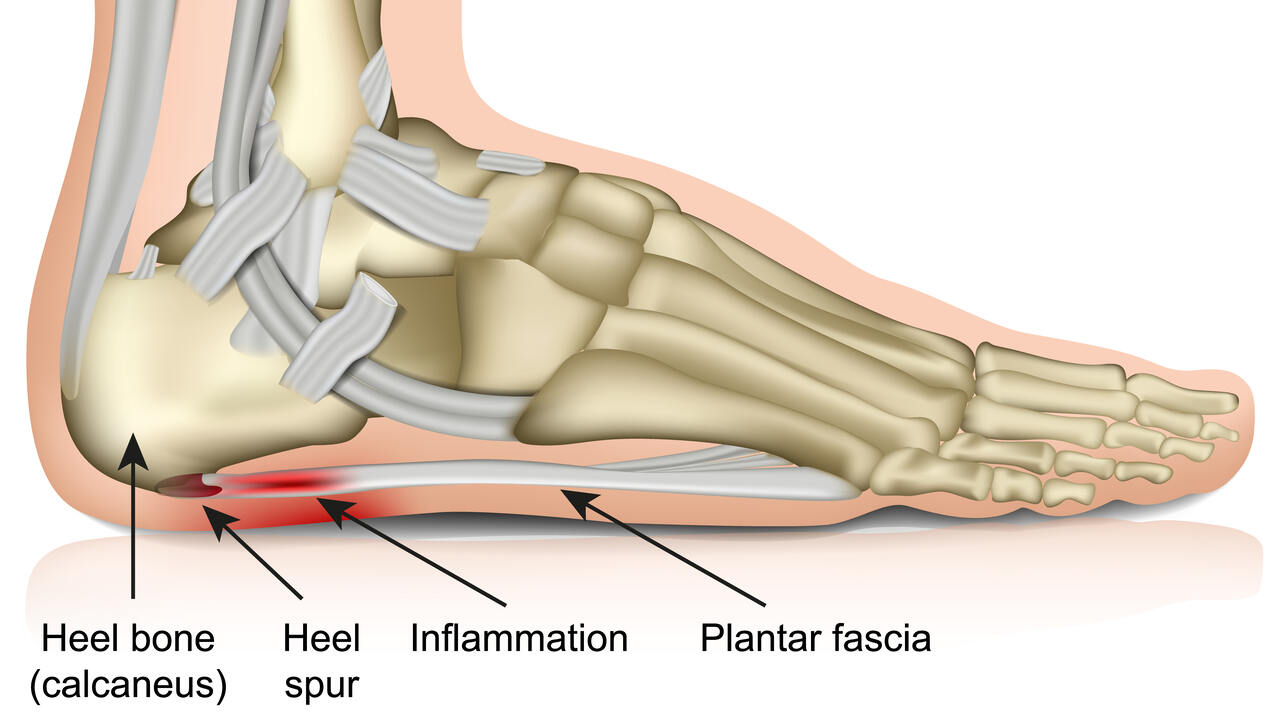
Plantar fasciitis is a condition that occurs when the plantar fascia, a thick band of tissue that runs across the bottom of the foot and connects the heel bone to the toes, becomes inflamed. This inflammation can cause intense heel pain that often decreases with movement but may return after prolonged activity or rest.

The exact cause of plantar fasciitis isn’t always clear, but several factors can contribute to its development. Overuse or repetitive strain on the plantar fascia, such as from running, dancing, or standing for extended periods, is a common cause. Poor foot mechanics, such as flat feet, high arches, or abnormal walking patterns, can also increase the risk. Additionally, wearing shoes with inadequate support, being overweight, and age-related changes in the foot can further exacerbate the condition. Risk factors for developing plantar fasciitis include engaging in activities that place a lot of stress on the heel and attached tissue, having an occupation that requires prolonged standing or walking on hard surfaces, and having tight calf muscles that limit ankle movement.

Symptoms of plantar fasciitis typically include sharp, stabbing pain in the heel or along the bottom of the foot. The pain is usually most severe with the first steps in the morning or after periods of inactivity. As the condition progresses, the pain may become more persistent, affecting daily activities and reducing the quality of life.

Benefits of Using Shockwave Therapy for Plantar Fasciitis

Shockwave therapy is a non-invasive treatment that has proven to be highly effective in treating plantar fasciitis. This therapy uses high-energy sound waves to stimulate healing in the affected area, offering several key benefits:

  • Pain Relief: One of the most immediate benefits of shockwave therapy is pain relief. The treatment helps to disrupt pain pathways, providing significant and often rapid relief from the discomfort associated with plantar fasciitis. This allows you to return to your normal activities more quickly.
  • Stimulates Healing: Shockwave therapy promotes the body’s natural healing processes by increasing blood flow to the affected area, stimulating the production of collagen, and promoting the regeneration of damaged tissue. This leads to faster recovery and long-term improvement in foot function.
  • Reduces Inflammation: Inflammation is a major contributor to the pain and discomfort of plantar fasciitis. Shockwave therapy helps to reduce inflammation by breaking down scar tissue and calcifications, which can alleviate symptoms and prevent further damage to the plantar fascia.
  • Non-Invasive Treatment: Unlike surgery or injections, shockwave therapy is a non-invasive treatment option, meaning there is no need for anesthesia, incisions, or lengthy recovery times. Individuals can often return to their normal activities immediately following treatment, making it a convenient option for those with busy lifestyles.
  • Long-Lasting Results: While some treatments offer only temporary relief, shockwave therapy addresses the underlying causes of plantar fasciitis, leading to long-lasting results. Many people experience significant improvement after just a few sessions, with continued benefits over time.
  • Safe and Well-Tolerated: Shockwave therapy is a safe and well-tolerated treatment option with minimal side effects. Most people experience little to no discomfort during the procedure, and any post-treatment soreness is typically mild and short-lived.

Overall, shockwave therapy offers a powerful and effective solution for those suffering from plantar fasciitis, providing both immediate relief and long-term healing.

Shockwave Therapy: What to Expect During Treatment

During the procedure, the therapist will apply a handheld device to the affected area of the foot. This device emits high-energy sound waves that penetrate the tissues, targeting the inflamed and damaged areas of the plantar fascia. 

The application typically lasts between 3 to 6 minutes, and while some people may feel some discomfort during the session, it is generally well-managed by adjusting the intensity of the shockwaves or taking short breaks as needed. Shockwave therapy is generally well-tolerated by most people, with minimal discomfort during the procedure. However, the level of pain can vary depending on the severity of the plantar fasciitis and the sensitivity of the treated area. Some report feeling a mild tingling or throbbing sensation during the application of the shockwaves, while others may experience brief, sharp pulses of discomfort. These sensations are usually short-lived and subside quickly after the treatment is completed. 

After the treatment, you may experience some mild soreness or redness in the treated area, but this usually resolves within a few hours to a day. Most people are able to resume their normal activities immediately after the session, with no need for downtime or recovery. Overall, while shockwave therapy can cause some discomfort, it is a safe and effective treatment that provides significant pain relief and promotes healing for plantar fasciitis.

Lifestyle Adjustments to Help Manage Plantar Fasciitis

Making key lifestyle changes can significantly aid in managing plantar fasciitis and preventing future flare-ups.

  • Stretching Exercises: Regular stretching of the calf muscles, Achilles tendon, and plantar fascia can help improve flexibility and reduce tension in the foot. Incorporate stretching into your daily routine, especially before and after physical activity, to prevent stiffness and promote better movement.
  • Maintain a Healthy Weight: Reducing excess weight can alleviate pressure on your feet, helping to reduce symptoms and prevent the condition from worsening.
  • Stay Active with Low-Impact Activities: Engage in low-impact exercises, such as swimming or cycling, to stay active without putting excessive strain on your feet. Avoid high-impact activities that may exacerbate your symptoms.
  • Improve Ergonomics and Posture: Pay attention to your posture and ergonomics, especially if you have a sedentary job. Take breaks to stand up, move around, and avoid prolonged periods of standing or walking on hard surfaces.

By incorporating these lifestyle changes into your routine, you can complement your shockwave therapy treatment and achieve more lasting relief from plantar fasciitis.

How Many Shockwave Therapy Sessions Are Required to Treat Plantar Fasciitis?

The number of shockwave therapy sessions required to treat plantar fasciitis can vary depending on the severity of the condition and the individual’s response to treatment. Typically, you undergo a series of sessions, with most treatment plans consisting of three to five sessions, spaced about one week apart. 

During each session, the therapist will apply the shockwave device to the affected area for about 3 to 6  minutes. You may begin to notice improvement after the first or second session, with significant pain relief and functional improvements usually occurring after the full course of treatment. 

In some cases, additional sessions may be recommended if the symptoms persist or if the condition is particularly severe. However, many people find that the benefits of shockwave therapy continue to build over time, with further improvements occurring even after the completion of the treatment plan.

Walk Without Discomfort Again

Plantar fasciitis can be a painful and persistent condition, but shockwave therapy offers an effective, non-invasive solution for those seeking relief. By stimulating the body’s natural healing processes, reducing inflammation, and providing long-lasting pain relief, shockwave therapy can help you regain your mobility and quality of life. 

If you’re struggling with plantar fasciitis and looking for a proven treatment option, Maximum by Body ‘n Balance Physio in Collingwood is here to help. Our experienced therapists offer personalized care and cutting-edge treatments to help you find relief. Contact us today to schedule your appointment and start your journey to pain-free living.

Regain Mobility: Physiotherapy Approaches to Ankle Sprain Rehabilitation

Regain Mobility: Physiotherapy Approaches to Ankle Sprain Rehabilitation

physiotherapy for ankle sprain

Ankle sprains are a common injury that can significantly impact your mobility and daily activities. Understanding the nature of ankle sprains, the benefits of physiotherapy, and the different grades of sprains can help you manage this injury effectively. This blog will explore these aspects and how physiotherapy can aid in your recovery from an ankle sprain.

What is an Ankle Sprain?

An ankle sprain occurs when the ligaments that support the ankle stretch beyond their limits and tear. Ligaments are tough, elastic bands of connective tissue that connect one bone to another, providing stability to the joints. Ankle sprains typically happen when the foot twists, rolls, or turns beyond its normal range of motion, causing the ligaments to stretch or tear.

The Different Grades of Ankle Sprains Explained

Ankle sprains are classified into three grades based on the severity of the ligament damage:

  • Grade 1 (Mild): This is a minor stretch or tear of the ligament with mild tenderness, swelling, and stiffness. The ankle is stable, and you can usually walk with minimal discomfort. Treatment focuses on reducing swelling and pain through rest, ice, compression, and elevation (RICE), followed by gentle exercises to restore range of motion and strength.
  • Grade 2 (Moderate): This involves a partial tear of the ligament, causing moderate pain, swelling, bruising, and difficulty walking. The ankle may feel slightly unstable. Treatment includes a longer period of RICE, followed by a more extensive rehabilitation program with stretching, strengthening, and balance exercises to restore function and stability.
  • Grade 3 (Severe): This is a complete tear of the ligament, resulting in severe pain, swelling, bruising, and significant instability. Walking is usually very painful, and the ankle feels wobbly. Treatment may involve immobilization with a brace or cast, followed by a comprehensive physiotherapy program to restore full function. In some cases, surgery may be necessary to repair the damaged ligament.

Benefits of Physiotherapy for Ankle Sprain Treatment

Physiotherapy plays a crucial role in the treatment and recovery of ankle sprains by offering several benefits:

  • Pain Relief: Physiotherapists use various techniques, such as manual therapy, acupuncture, and shockwave therapy, to reduce pain and inflammation in the affected area.
  • Restoring Range of Motion: Gentle stretching and mobilization exercises help restore normal movement to the ankle joint, preventing stiffness and improving flexibility.
  • Strengthening Muscles: Targeted exercises strengthen the muscles around the ankle, providing better support and stability, which is essential for preventing future injuries.
  • Improving Balance and Proprioception: Balance exercises help improve coordination and proprioception (the sense of the relative position of body parts), reducing the risk of re-injury.
  • Functional Training: Physiotherapists incorporate sport-specific or activity-specific training to ensure you can safely return to your normal activities and sports.
  • Education and Self-Management: Clients receive guidance on proper footwear, activity modification, and self-care techniques to support long-term ankle health and prevent recurrence.

The Role of Footwear in Ankle Injury Recovery

Proper footwear plays a crucial role in the rehabilitation and prevention of ankle sprains. Wearing supportive shoes can significantly reduce the risk of re-injury and aid in the healing process. 

Shoes with good arch support and cushioning help distribute weight evenly, reducing stress on the ankle joint. High-top shoes or ankle braces can provide additional stability, especially during physical activities. 

It is essential to avoid wearing shoes with inadequate support, such as flip-flops or high heels, as they can increase the likelihood of ankle sprains. Consulting with a physiotherapist about the best footwear options tailored to your specific needs can enhance your recovery and prevent future injuries.

Recommended Physiotherapy Exercises for an Ankle Sprain

Physiotherapy exercises for an ankle sprain focus on restoring strength, flexibility, and stability to the affected area. Some specific exercises commonly recommended by physiotherapists include:

  • Range of Motion Exercises: Gentle movements such as ankle circles, alphabet exercises (tracing the alphabet with your toes), and towel stretches help restore normal motion to the ankle joint.
  • Strengthening Exercises: Exercises like toe raises, heel raises, and resistance band exercises (e.g., ankle dorsiflexion, plantarflexion, inversion, and eversion) are designed to strengthen the muscles around the ankle and improve stability.
  • Balance and Proprioception Exercises: Activities such as standing on one leg, using a balance board, or performing single-leg stands on a soft surface help improve balance and proprioception, reducing the risk of future sprains.
  • Functional Exercises: Depending on the individual’s needs and goals, physiotherapists may incorporate functional exercises that mimic daily activities or sports-specific movements. These exercises might include hopping, lateral movements, or agility drills to ensure a safe return to normal activities.

Physiotherapy for Ankle Sprain: Healing Timeline Expectations

The time it takes to see improvements in an ankle sprain with physiotherapy varies depending on the severity of the injury, the individual’s overall health, and adherence to the prescribed treatment plan. 

Generally, people begin to notice improvements within a few weeks of starting physiotherapy. For mild ankle sprains (Grade 1), significant improvement can often be seen within 2 to 4 weeks. Consistent physiotherapy sessions and adherence to at-home exercises play a crucial role in speeding up recovery. 

For moderate sprains (Grade 2), the recovery period typically ranges from 4 to 6 weeks. A more extensive rehabilitation program with regular physiotherapy sessions helps restore function and stability to the ankle. 

Severe ankle sprains (Grade 3) may require a longer recovery period, often spanning several months. Comprehensive physiotherapy, combined with other treatments if necessary, is essential for achieving full recovery and preventing re-injury.

Activities to Avoid with an Ankle Sprain

During the recovery process for an ankle sprain, certain activities should be avoided to prevent further injury and promote healing:

  • High-Impact Activities: Avoid running, jumping, or any activities that put excessive stress on the ankle joint until it is fully healed. These activities can exacerbate the injury and delay recovery.
  • Uneven Surfaces: Steer clear of walking or running on uneven or unstable surfaces, as these can increase the risk of re-injury by causing the ankle to twist or turn unexpectedly.
  • Excessive Weight-Bearing: Refrain from activities that involve prolonged standing or heavy lifting, as these can put additional strain on the injured ankle and hinder the healing process.
  • Improper Footwear: Avoid wearing shoes that lack proper support or cushioning. Wearing unsupportive footwear can increase the risk of further injury and impede recovery.

Restore Ankle Mobility and Strength

Recovering from an ankle sprain requires a comprehensive approach that includes physiotherapy, specific exercises, and lifestyle modifications. By following the recommended treatment plan and avoiding activities that can exacerbate the injury, you can achieve a full recovery and return to your normal activities.

At Maximum by Body ‘n Balance Physio in Collingwood, our skilled physiotherapists are committed to helping you recover from ankle sprains and regain optimal function. Contact us today to schedule your appointment.

Managing Lower Back Pain: The Role of Physiotherapy in Relief and Recovery

Managing Lower Back Pain: The Role of Physiotherapy in Relief and Recovery

physiotherapy for lower back pain

Lower back pain is a prevalent issue affecting many individuals, disrupting daily activities and diminishing quality of life. Understanding its causes and exploring effective treatments, such as physiotherapy, is crucial for managing and alleviating this condition. In this blog post, we delve into the common causes of lower back pain, the benefits of physiotherapy for back pain relief, and specific exercises recommended to ease discomfort and enhance mobility.

Common Causes of Lower Back Pain

Lower back pain can stem from various factors, each contributing to discomfort and mobility issues. Common causes include:

  • Muscle Strain: Overuse or sudden movements can strain the muscles and ligaments in the lower back, leading to pain and stiffness.
  • Herniated Discs: Discs act as cushions between the vertebrae. When a disc herniates or bulges, it can press on nearby nerves, causing pain and numbness.
  • Degenerative Disc Disease: With age, the discs in the spine can degenerate, losing their cushioning ability and causing pain.
  • Sciatica: Compression or irritation of the sciatic nerve, often due to a herniated disc, can cause radiating pain from the lower back down the legs.
  • Spinal Stenosis: Narrowing of the spinal canal can put pressure on the spinal cord and nerves, leading to pain and cramping.
  • Poor Posture: Sitting or standing with improper posture can strain the lower back muscles and contribute to chronic pain.
  • Injuries: Accidents or falls can cause fractures or other injuries to the spine, resulting in lower back pain.
  • Arthritis: Conditions like osteoarthritis can affect the joints in the lower back, leading to pain and stiffness.

Physiotherapy for Lower Back Pain Explained

Physiotherapy plays a pivotal role in managing and alleviating lower back pain through various techniques and treatments designed to reduce pain, improve function, and prevent future issues. Key benefits of physiotherapy include:

  • Pain Management: Physiotherapists use modalities such as acupuncture and shockwave therapy to alleviate pain and reduce inflammation.
  • Manual Therapy: Techniques such as joint mobilizations and soft tissue massage help improve joint function, reduce muscle tension, and enhance blood flow.
  • Exercise Therapy: Customized exercise programs focus on strengthening the core muscles, improving flexibility, and promoting proper posture. These exercises are crucial for supporting the spine and preventing future injuries.
  • Education and Self-Management: Physiotherapists educate you on proper body mechanics, posture, and ergonomics to minimize stress on the lower back during daily activities. They also provide guidance on lifestyle modifications, such as weight management and regular physical activity, to support long-term spine health.

Recommended Physiotherapy Exercises for Lower Back Pain

Exercise is a cornerstone of physiotherapy for lower back pain, aimed at strengthening the supporting muscles, improving flexibility, and enhancing overall stability. Commonly recommended exercises include:

  • Pelvic Tilts: Lie on your back with knees bent. Tighten your abdominal muscles and flatten your back against the floor. Hold for a few seconds, then relax. Repeat several times.
  • Bridges: Lie on your back with knees bent and feet flat on the floor. Lift your hips towards the ceiling, squeezing your glutes, and hold for a few seconds. Lower back down and repeat.
  • Cat-Cow Stretch: On all fours, alternate between arching your back towards the ceiling (cat) and dipping your belly towards the floor (cow). This helps to stretch and mobilize the spine.
  • Bird-Dog: On all fours, extend one arm forward and the opposite leg backward, keeping your back straight. Hold for a few seconds, then switch sides. This exercise improves stability and strengthens the core.
  • Child’s Pose: Sit back on your heels with knees wide apart, reach your arms forward, and lower your torso towards the floor. This stretch helps to relieve tension in the lower back.
  • Hamstring Stretches: Lie on your back and raise one leg, holding it with both hands behind the thigh. Gently pull the leg towards you to stretch the hamstrings. Switch sides and repeat.

Treatment Timeline for Lower Back Pain with Physiotherapy

The timeline for seeing improvements in lower back pain with physiotherapy can vary based on several factors, including the severity of the condition, the individual’s overall health, and their adherence to the treatment plan. 

Generally, you may begin to notice significant improvements within a few weeks of consistent physiotherapy. For those with mild to moderate lower back pain, noticeable improvements can often be seen within 4 to 6 weeks. Regular physiotherapy sessions combined with prescribed exercises and lifestyle modifications can lead to substantial relief during this period. 

However, individuals with more severe or chronic lower back pain may require a longer treatment period, often ranging from 8 to 12 weeks or more. In such cases, a comprehensive and sustained approach is crucial for effective management and long-term relief. 

After achieving initial improvements, periodic maintenance sessions may be recommended to prevent recurrence and maintain spinal health. These sessions might be scheduled monthly or as needed, depending on the individual’s progress and response to therapy.

Lifestyle Changes for Managing Lower Back Pain

Incorporating lifestyle changes can significantly enhance the effectiveness of physiotherapy in managing lower back pain. Here are some recommended modifications:

  • Maintain a Healthy Weight: Excess weight can put additional strain on the lower back. Adopting a balanced diet and regular exercise routine can help maintain a healthy weight, reducing stress on the spine.
  • Stay Active: Regular physical activity helps keep the muscles around the spine strong and flexible. Low-impact exercises such as walking, swimming, or cycling can be beneficial.
  • Practice Good Posture: Proper posture is essential to avoid unnecessary strain on the lower back. Ensure that you sit, stand, and lift objects with correct posture. Ergonomic adjustments to your workstation can also help maintain good posture.
  • Use Supportive Footwear: Wearing shoes with proper arch support can help maintain spinal alignment and reduce lower back strain.
  • Avoid Prolonged Sitting: Sitting for extended periods can exacerbate lower back pain. Take frequent breaks to stand, stretch, and move around.
  • Manage Stress: Stress can contribute to muscle tension and pain. Practices such as mindfulness, meditation, and deep breathing exercises can help manage stress and promote relaxation.

Say Goodbye to Back Pain

Lower back pain can be debilitating, but with the right physiotherapy approach and lifestyle modifications, significant improvements are achievable. By understanding the causes of lower back pain, engaging in targeted exercises, and making supportive lifestyle changes, you can effectively manage and alleviate this condition. 

At Maximum by Body ‘n Balance Physio in Collingwood, our dedicated team of physiotherapists is here to help you overcome lower back pain and achieve optimal health. Contact us today to schedule an appointment and leave back pain in your rearview.

Healing Foot Pain: Benefits of Physiotherapy for Plantar Fasciitis

Healing Foot Pain: Benefits of Physiotherapy for Plantar Fasciitis


physiotherapy for plantar fasciitis

Plantar fasciitis is a common condition that causes significant pain in the heel and foot, impacting daily activities and overall quality of life. Understanding what plantar fasciitis is, its causes, symptoms, and how physiotherapy can help manage and alleviate its symptoms is crucial for effective treatment. This blog will provide comprehensive information on how physiotherapy can treat foot and heel pain associated with plantar fasciitis.


Plantar Fasciitis Explained: Causes, Symptoms, Risk Factors

Plantar fasciitis is a condition marked by inflammation of the plantar fascia, a thick band of tissue running along the bottom of the foot from the heel bone to the toes. This inflammation results in sharp pain, typically felt most intensely in the heel. The pain is often at its worst in the morning or after extended periods of inactivity.

The causes of plantar fasciitis are varied. Overuse is a primary factor, with repetitive stress from activities such as running, walking, or prolonged standing leading to inflammation of the plantar fascia. Foot structure also plays a significant role; individuals with flat feet, high arches, or abnormal walking patterns are more likely to experience excessive strain on the plantar fascia. Improper footwear, especially shoes lacking adequate support or cushioning, can further exacerbate this condition. Additionally, tight calf muscles can affect foot mechanics, increasing strain on the plantar fascia and contributing to the development of pain and inflammation.

The symptoms of plantar fasciitis include sharp, stabbing pain in the heel, especially noticeable upon first waking up or after long periods of sitting or standing. Stiffness in the foot is common, particularly in the morning or after rest, making it difficult to move freely. Tenderness and swelling in the heel area are also frequent symptoms, adding to the discomfort and limiting mobility.

Several risk factors can increase the likelihood of developing plantar fasciitis. Age is a significant factor, with the condition most commonly affecting individuals between 40 and 60 years old. High-impact activities such as running, dancing, or sports that place continuous stress on the feet heighten the risk of developing plantar fasciitis. Excess body weight is another contributing factor, as it places additional stress on the plantar fascia, increasing the likelihood of inflammation. 


Physiotherapy Treatments for Plantar Fasciitis

Physiotherapy plays a crucial role in treating plantar fasciitis by addressing the underlying causes, reducing pain, and improving overall function. Here’s how physiotherapy can help:

  • Comprehensive Assessment: Physiotherapists conduct a thorough assessment to identify the underlying causes and determine the best treatment plan. This includes reviewing the individual’s medical history, performing physical examinations, and evaluating foot mechanics.
  • Pain Relief: Physiotherapists use modalities such as Ultrasound, LASER, acupuncture and shockwave therapy and taping to alleviate pain and reduce inflammation in the plantar fascia.
  • Manual Therapy: Soft tissue techniques and joint mobilizations help improve foot and ankle mobility, reduce muscle tension, and enhance blood flow to the affected area.
  • Exercise Prescription: Tailored exercise programs are designed to stretch and strengthen the plantar fascia, calf muscles, and surrounding tissues. These exercises help restore movement and flexibility in the foot and prevent further strain.
  • Education and Self-Management: Clients receive advice on lifestyle modifications, activity modifications, and home exercise programs to manage symptoms and prevent recurrence. This may include recommendations for proper footwear, weight management, and activity modifications.


Recommended Physiotherapy Exercises for Plantar Fasciitis

Physiotherapy exercises play a crucial role in managing and alleviating the symptoms of plantar fasciitis. Here are some of the best exercises commonly recommended by physiotherapists:

  • Calf Stretch: Stand facing a wall with one foot in front of the other. Keep your back leg straight and your front leg bent. Lean forward, placing your hands on the wall, until you feel a stretch in the calf of your back leg. Hold for 20-30 seconds and repeat on the other side. This stretch helps reduce tension in the calf muscles, which can alleviate strain on the plantar fascia.
  • Plantar Fascia Stretch: Sit with your affected leg crossed over your opposite knee. Hold your toes and gently pull them back toward your shin until you feel a stretch in the bottom of your foot. Hold for 20-30 seconds and repeat several times. This stretch targets the plantar fascia directly and helps improve flexibility.
  • Toe Towel Scrunches: Place a towel on the floor and use your toes to scrunch it up. This exercise strengthens the muscles in the foot and improves overall foot stability.
  • Marble Pick-Ups: Place a few marbles on the floor and use your toes to pick them up and place them in a cup. This exercise strengthens the muscles in the foot and improves dexterity.
  • Heel Raises: Stand with your feet shoulder-width apart and slowly raise your heels off the ground, then lower them back down. Repeat several times. This exercise strengthens the calf muscles and improves overall foot and ankle stability.
  • Rolling Stretch: Roll a tennis ball or a frozen water bottle under the arch of your foot for a few minutes. This massage helps relieve tension in the plantar fascia and reduces pain.


Supporting Physiotherapy for Plantar Fasciitis: Lifestyle Changes

In addition to physiotherapy, certain lifestyle changes can significantly aid in the treatment and prevention of plantar fasciitis. Implementing these changes can help manage symptoms, speed up recovery, and reduce the risk of recurrence.

  • Avoid High-Impact Activities: Activities such as running, jumping, or any exercise that places excessive stress on the feet should be avoided during recovery. Instead, opt for low-impact activities like swimming, cycling, or walking on soft surfaces, which can help maintain fitness without aggravating the condition.
  • Incorporate Regular Stretching: Regularly stretching the calf muscles, Achilles tendon, and plantar fascia can help maintain flexibility and reduce tension. Incorporate stretching exercises into your daily routine, particularly after periods of inactivity or before engaging in physical activity.
  • Modify Activities: Adjust your daily activities to minimize stress on the feet. This may include taking breaks to rest your feet, avoiding prolonged standing or walking on hard surfaces, and using ergonomic aids such as anti-fatigue mats.
  • Practice Good Posture: Maintain proper posture while sitting, standing, and walking to reduce unnecessary strain on your feet and lower limbs. Proper alignment can help distribute weight evenly and prevent additional stress on the plantar fascia.


Choosing the Right Footwear for Plantar Fasciitis

Footwear is integral to both the treatment and prevention of plantar fasciitis. Selecting the right shoes can provide the necessary support and cushioning to alleviate pain and prevent the condition from worsening. The impact of footwear on plantar fasciitis is multifaceted.

Shoes with adequate arch support help distribute pressure evenly across the foot, reducing stress on the plantar fascia. This support is essential for individuals with flat feet or high arches, as it prevents excessive strain on the connective tissue. Additionally, proper cushioning in the heel and midsole absorbs shock and reduces the impact of walking or running, thereby protecting the plantar fascia from excessive stress and irritation.

The fit of the shoes is equally important. Wearing shoes that fit well and allow enough room for the toes to move comfortably can prevent additional stress on the plantar fascia. Shoes that are too tight or too loose can cause discomfort and exacerbate symptoms. Heel stability is another critical factor; shoes with a firm heel counter provide stability and support, reducing excessive movement and strain on the plantar fascia. This stability is particularly beneficial for individuals with overpronation or supination issues, ensuring proper alignment and reducing stress on the foot.

It is advisable to avoid high heels and flat shoes when managing or preventing plantar fasciitis. Instead, opting for shoes with a moderate heel and good arch support helps maintain proper foot mechanics and reduces the risk of developing plantar fasciitis.


Have Confidence in Every Step

Plantar fasciitis can significantly impact daily life, but with the right approach to treatment and preventive measures, substantial relief and recovery are possible. Physiotherapy offers a comprehensive solution by addressing the root causes of plantar fasciitis, reducing pain, and improving overall function. By incorporating lifestyle changes  you can achieve lasting relief and prevent future episodes of plantar fasciitis.

If you’re experiencing plantar fasciitis pain, the experienced team at Maximum by Body ‘n Balance Physio is here to help. Our Collingwood physiotherapists provide personalized treatment plans tailored to your needs. Contact us today to schedule an appointment and we’ll help you walk pain-free!

Sustainable Recovery: Exercises and Physiotherapy for Frozen Shoulder

Sustainable Recovery: Exercises and Physiotherapy for Frozen Shoulder

physiotherapy for frozen shoulder

Frozen shoulder, also known as adhesive capsulitis, is a condition that causes pain and stiffness in the shoulder joint, significantly impacting daily activities and overall quality of life. Understanding what frozen shoulder is, its symptoms, causes, and how physiotherapy can help manage frozen shoulder symptoms is crucial for effective treatment. 

Understanding Frozen Shoulder

Frozen shoulder, also known as adhesive capsulitis, is a condition characterized by pain and stiffness in the shoulder joint. It occurs when the shoulder capsule, which is the connective tissue surrounding the shoulder joint, thickens and tightens, thereby restricting movement and causing significant discomfort.

The symptoms of frozen shoulder can be quite debilitating. Initially, the pain experienced may be dull or aching, often becoming more pronounced at night, making it difficult to get restful sleep. As the condition progresses, stiffness in the shoulder increases, significantly limiting the range of motion. This stiffness makes it challenging to perform everyday tasks such as reaching overhead, behind the back, or to the side. The combination of pain and restricted movement can severely impact daily activities and quality of life.

Several factors can contribute to the development of frozen shoulder. One of the most common causes is injury or surgery that limits shoulder movement. When the shoulder remains immobile for extended periods, the risk of developing frozen shoulder increases. Systemic conditions such as diabetes, thyroid disorders, and cardiovascular disease also elevate the risk. These conditions can influence the body’s inflammatory response and healing processes, making individuals more susceptible to frozen shoulder.

Understanding the symptoms and causes of frozen shoulder is crucial for early detection and effective management. Recognizing the signs early on and seeking appropriate treatment can help mitigate the severity of the condition and improve the overall prognosis.

How Physiotherapy Helps Treat Frozen Shoulder

Physiotherapy plays a crucial role in treating frozen shoulder by addressing the underlying causes, reducing pain, and improving overall function. Here’s how physiotherapy can help:

  • Comprehensive Assessment: Physiotherapists conduct a thorough assessment to identify the underlying causes and determine the best treatment plan. This includes reviewing your medical history, performing physical examinations, and evaluating shoulder mobility.
  • Pain Relief: Physiotherapists use modalities such as therapeutic Ultrasound, LASER, acupuncture, and shockwave therapy to alleviate pain and reduce inflammation in the shoulder joint.
  • Manual Therapy: Techniques such as joint mobilizations help improve shoulder joint mobility, reduce muscle tension, and enhance blood flow to the affected area. This can significantly reduce pain and improve the range of motion.
  • Exercise Prescription: Tailored exercise programs are designed to improve flexibility, strengthen the muscles around the shoulder, and enhance overall stability. These exercises help restore movement in the shoulder joint and prevent further stiffness.
  • Postural Education: Physiotherapists provide guidance on maintaining proper posture and body mechanics during daily activities to reduce strain on the shoulder and prevent the recurrence of symptoms.
  • Education and Self-Management: You also receive advice on lifestyle modifications, such as activity modifications and home exercise programs, to manage symptoms and prevent future flare-ups. This may include recommendations for gentle stretches and strengthening exercises.

The Stages of Frozen Shoulder

Frozen shoulder typically progresses through three distinct stages. The initial stage, known as the Freezing Stage, can last from six weeks to nine months. During this period, individuals experience a gradual onset of pain and increasing stiffness in the shoulder. As the shoulder begins to “freeze,” movement becomes progressively more difficult, significantly impacting daily activities.

Following the Freezing Stage, the condition enters the Frozen Stage, which can last from four to twelve months. In this stage, while pain may start to diminish, the stiffness remains. The shoulder’s range of motion is significantly reduced, making it challenging to perform routine tasks. Despite the reduction in pain, the limited mobility continues to interfere with the individual’s daily life.

The final stage, known as the Thawing Stage, can last from six months to two years. During this stage, shoulder mobility gradually improves as the shoulder “thaws.” Pain continues to decrease, and the range of motion slowly returns to normal. This gradual improvement allows you to regain function and resume your usual activities with less discomfort.

Recommended Physiotherapy Exercises for Frozen Shoulder

Physiotherapy exercises play a crucial role in managing and alleviating the symptoms of frozen shoulder. Here are some of the best exercises commonly recommended by physiotherapists:

  • Pendulum Exercises: Lean forward and let your affected arm hang down. Gently swing the arm in small circles, gradually increasing the circle size. This exercise helps improve shoulder mobility without putting too much strain on the joint.
  • Towel Stretch: Hold a towel behind your back with one hand and grab the other end with your other hand. Use the towel to gently pull your affected arm upward. This stretch helps increase flexibility and range of motion in the shoulder.
  • Cross-Body Stretch: Use your unaffected arm to lift your affected arm at the elbow and bring it across your body. Hold the stretch for 20-30 seconds. This stretch targets the shoulder muscles and improves flexibility.
  • Finger Walk: Face a wall and place your fingers on the wall at waist level. Slowly walk your fingers up the wall as high as you can go, keeping your arm slightly bent. This exercise helps improve shoulder mobility and range of motion.
  • External Rotation: Hold a rubber exercise band with both hands and keep your elbows close to your sides. Rotate the lower part of your affected arm outward, keeping your elbow close to your body. This exercise strengthens the shoulder muscles and improves external rotation.
  • Internal Rotation: Attach one end of a rubber exercise band to a door handle. Hold the other end with your affected arm and keep your elbow close to your body. Pull the band toward your body. This exercise strengthens the shoulder muscles and improves internal rotation.

Home Remedies to Complement Frozen Shoulder Treatment

In addition to physiotherapy, there are several home remedies and self-care tips that can help manage and alleviate frozen shoulder symptoms:

  • Heat and Cold Therapy: Applying heat packs to the shoulder can help relax tight muscles and improve blood flow, which can reduce pain and stiffness. Cold packs can be used to reduce inflammation and numb pain. Alternate between heat and cold therapy for the best results.
  • Gentle Stretching: Regularly performing gentle stretches can help maintain and improve the range of motion in the shoulder. Focus on exercises recommended by your physiotherapist and avoid any movements that cause pain.
  • Maintain Good Posture: Practice good posture while sitting, standing, and sleeping to reduce strain on the shoulder. Use ergonomic chairs and pillows to help maintain proper alignment.
  • Stay Active: Engage in low-impact activities such as walking, swimming, or gentle yoga to keep the muscles flexible and maintain overall fitness. Avoid prolonged periods of inactivity, which can worsen frozen shoulder symptoms.
  • Home Exercise Program: Follow a home exercise program prescribed by your physiotherapist. Consistent practice of these exercises can help improve shoulder mobility and prevent further stiffness.

Your Partner in Frozen Shoulder Recovery

Frozen shoulder can significantly impact daily life, but with the right approach to treatment, substantial relief and recovery are possible. Physiotherapy offers a comprehensive solution by addressing the root causes of frozen shoulder, reducing pain, and improving overall function. 

If you’re experiencing frozen shoulder pain, the experienced team at Maximum by Body ‘n Balance Physio is here to help. Our physiotherapists in Collingwood provide personalized treatment plans tailored to your needs. Contact us today to schedule an appointment and take the first step towards enhanced mobility and enhanced quality of life!

Physiotherapy and Achilles Tendonitis: A Comprehensive Guide

Physiotherapy and Achilles Tendonitis: A Comprehensive Guide

physiotherapy for achilles tendonitis collingwood
.

Achilles tendonitis is an uncomfortable condition that afflicts the Achilles tendon, which attaches the calf muscles to the heel. It’s triggered by overuse and repetitive stress on the tendon and is really incapacitating, preventing some everyday activities and negatively affecting your quality of life.

Luckily, physical rehabilitation is a successful treatment method for this ailment. Physiotherapists use a wide range of strategies to minimize swelling and discomfort, improve flexibility and strength, and enhance the muscle mass surrounding the affected area.

This post will explain exactly how physical rehabilitation can help treat Achilles tendonitis and also offer some suggestions on just how to get the most from your therapy.

What is Achilles Tendonitis?

As was mentioned above, Achilles tendonitis is an uncomfortable problem affecting the tendon that attaches the upper leg muscle to the heel. Tendonitis is triggered by repeatedly straining a tendon and is very restricting. Common symptoms of Achilles tendonitis include pain as well as tightness behind the lower leg, swelling, inflammation, and trouble walking or running.

If left without treatment, Achilles tendonitis can bring about further injury to the tendon tissue including tendon rupture. While the majority of incidents of Achilles tendonitis will ultimately heal on their own, the healing process may be considerably improved by a visit to a physiotherapist.

Causes of Achilles Tendonitis

Achilles tendonitis is caused by too much use or recurring stress of the Achilles tendon. This can occur from actions such as running, jumping, and sporting activities that require these activities.  The majority of athletes will most likely experience Achilles tendonitis at some point during their lives.

Achilles tendonitis can likewise be triggered by wearing shoes that do not deliver adequate reinforcement to the feet, or by having weak calf muscles. Likewise, individuals who have pronated ankles are more prone to suffer from Achilles tendonitis because of the enhanced tension on the tendon during weight bearing activities. 

Benefits of Physiotherapy for Achilles Tendonitis

Physiotherapy offers numerous important advantages to victims of Achilles tendonitis. Physical rehabilitation lessens pain and swelling in the muscle mass by stimulating blood flow to the affected area and also loosening up the stress that the muscle tissues and tendon are experiencing.

Physical rehabilitation also helps to boost mobility and also increase a patient’s range of activity as the tendon is recovering. Lastly, physical rehabilitation serves to help to strengthen the muscle and tendon, preventing re-injury to the tendon. 

What’s more, physiotherapists can analyze the problem and produce a customized rehabilitation program to help reduce your discomfort and enhance tendon and muscle capability.

Types of Physical Rehabilitation Treatments for Achilles Tendonitis

After an initial assessment, the first step in treating Achilles tendonitis through physical rehabilitation is to minimize pain as control inflammation. This can be done through heat treatment, ultrasound, and electrical stimulation. After the pain has been minimized, stretching and strengthening movements can be used to boost the mobility and strength of the Achilles tendon.

Physiotherapists also use a selection of methods such as stretching/strengthening exercises, soft tissure release, ultrasound treatment, ice/heat therapy, electrical stimulation (TENS), and bracing/taping to treat this problem.

Soft tissue release treatment helps in reducing stress in strained muscle tissues while ultrasound therapy helps to increase blood flow. Ice/heat therapy can additionally be used for pain and circulation, while electrical stimulation helps to relax muscles. Bracing/taping can also supply reinforcement for damaged tendons.

Tips for Getting the Best Results Out of Physiotherapy 

Follow these pointers to get the most out of your physiotherapy :

  • Choose a physiotherapist that you gel with. Your physiotherapist needs to be well-experienced and knowledgeable in the therapy of Achilles tendonitis and various other injuries.
  • Follow your physiotherapist’s guidance and do every one of the suggested exercises. While some exercises may be temporarily uncomfortable, they help to strengthen your muscle tissues to prevent more damage.
  • When engaging in tasks that might trigger pressure on the Achilles tendon, wear fitting footwear that provides plenty of support. Inadequate foot support is a contributing factor to Achilles tendonitis and similar injuries. Some sufferers find that custom footwear improves their symptoms.
  • An exercise routine of strengthening and stretching exercises needs to be carried out frequently to preserve flexibility and strength in the upper leg muscle tissues.
  • Finally, icing or heat treatment can be used to reduce pain after workouts.

By following these pointers, you can make sure that you’re getting the best results out of your physiotherapy.

Recap

Physiotherapy is a beneficial therapy for Achilles tendonitis, providing pain relief, enhanced mobility and range of motion, and building up the strength of the muscle tissues surrounding the affected area. Physiotherapists make use of a range of techniques such as stretching workouts, soft tissue release therapy, ultrasound treatment, ice/heat treatment, electrical stimulation, and bracing/taping to treat this condition.

To get the best results out of physiotherapy treatment for Achilles tendonitis, it is important to locate a physiotherapist that you are comfortable with and follow their instructions.

Additionally, supporting footwear really should be used during activities that might trigger stress on the Achilles tendon, and flexing and building up exercises should be done on a regular basis. Finally, icing or heat therapy can be made use of to minimize pain and inflammation after activity.

Give the experienced team of wonderful people at Maximum by Body ‘n Balance Physio a phone call and allow our experienced staff of physiotherapists help ease your Achilles tendonitis discomfort and pain. We’re currently taking on new clients, so call right away.